Prime Minister Andy Burnham announced a £40 million initiative on Sunday, November 8, to reduce hospital admissions by providing targeted care for high-risk patients at home. The plan aims to alleviate pressure on Accident & Emergency (A&E) departments during the winter months by funding proactive interventions for vulnerable individuals.
The announcement follows statements from Health Secretary Yvette Cooper, who noted that the National Health Service (NHS)—the publicly funded healthcare system in the United Kingdom—experienced a difficult summer due to a series of heatwaves. The government is responding to ongoing concerns regarding hospital overcrowding and the practice of treating patients in corridors, which the Royal College of Physicians recently stated must be eliminated.
Under the new plan, the £40 million will be reallocated from existing general practitioner (GP) budgets to support medical surgeries in identifying and treating patients with conditions such as heart disease, frailty, and chronic obstructive pulmonary disease (COPD). Groups of GP practices will receive £126 for every supported patient. Proposed services for up to 300,000 people include nurse-led respiratory clinics, medication reviews, and health checks.
This policy affects approximately 300,000 patients who are classified as high-risk due to frailty or chronic respiratory and heart conditions. These individuals may receive increased contact from their GP surgeries, including specific health checks and respiratory clinics, starting this winter. For the medical community, the plan involves a shift of £40 million from existing GP budgets to fund these targeted interventions, providing groups of practices with £126 per patient to manage these cases.
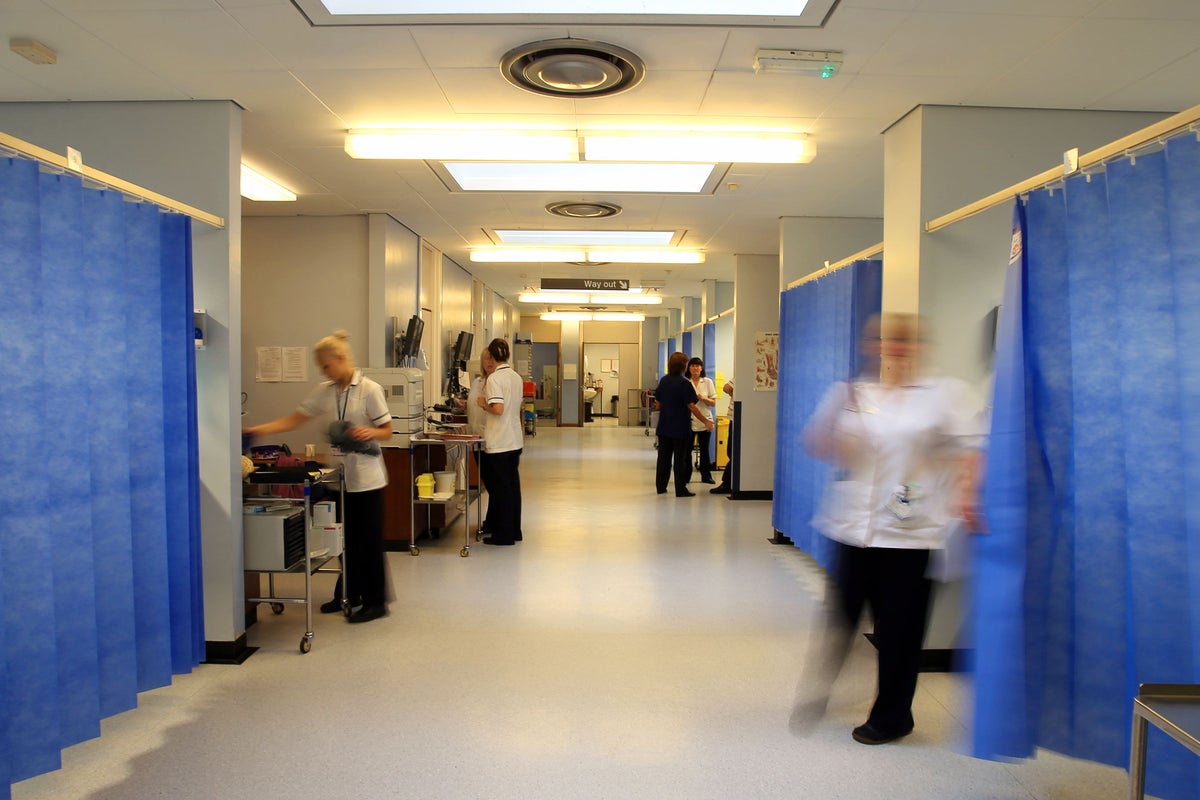
The government seeks to reduce the frequency of "corridor care," where patients are treated in non-clinical areas due to a lack of available beds. This follows previous winter periods, including January 2025, when the health service faced significant delays in ambulance response times and overcrowding.
The reallocation of £40 million from existing budgets means the funding is a redirection of current resources. Medical professionals, represented by groups like the Institute of General Practice Management, will be responsible for identifying the most vulnerable patients to receive this personalized care.