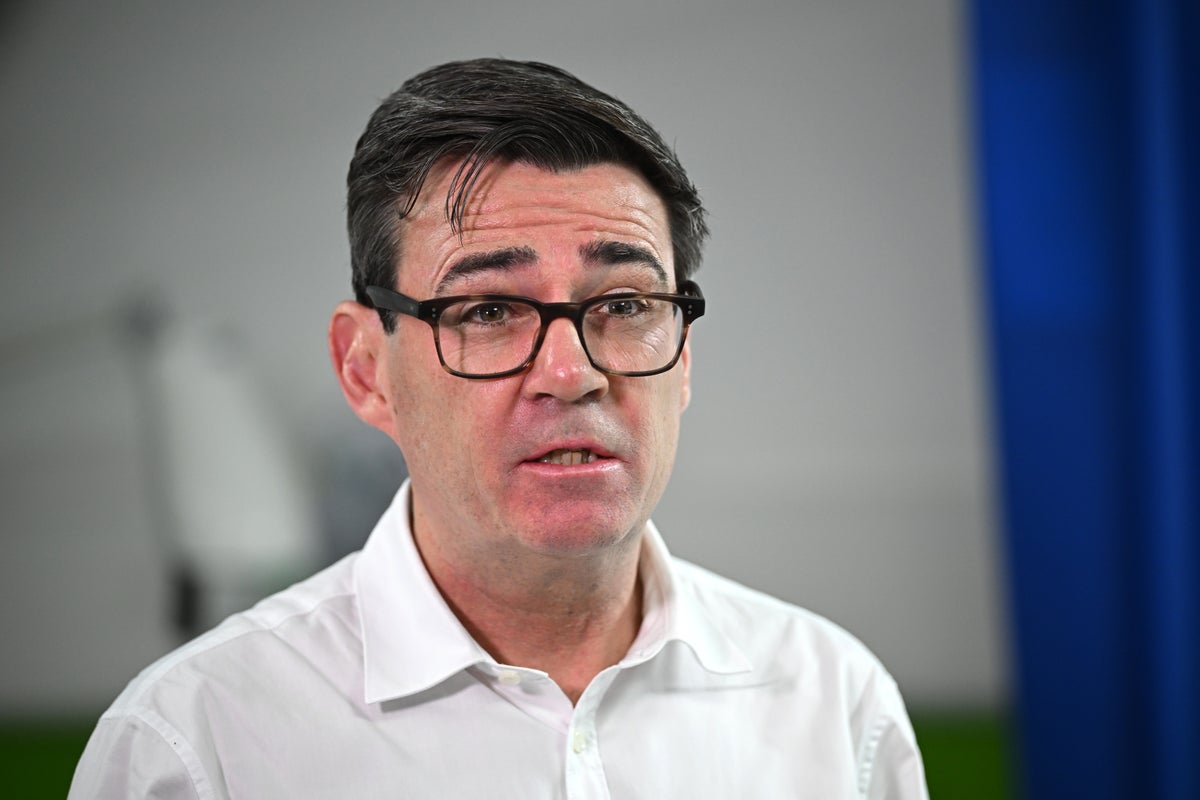
Foreign Office minister Chris Elmore stated on Tuesday, November 10, 2026, that the UK government is pursuing a "constructive dialogue" regarding a formal apology for Britain's historical role in slavery. The announcement followed the Commonwealth Heads of Government Meeting (Chogm) in Antigua, where Prime Minister Andy Burnham offered to hold talks on the matter. While the government is open to discussing an apology, Elmore emphasized that the official position against providing financial reparations has not changed.
The decision marks a shift from previous government policy. In 2024, Downing Street resisted calls for an apology, but a communique from the recent Chogm confirmed that Britain has now agreed to engage in discussions regarding the legacy of slavery. Elmore described this as a "time-limited" process intended to learn from history while moving forward with international partners, particularly in the Caribbean and West Africa.
The move has faced criticism from various members of Parliament. Conservative former deputy prime minister Sir Oliver Dowden warned that the government was embarking on a "very risky path" that could eventually leave no choice but to offer reparations. Robert Jenrick, a Reform UK MP, characterized the initiative as "performative far-left nonsense" and argued the government should instead focus on domestic issues like the cost of living. Conversely, independent MP Jeremy Corbyn stated that the issue of reparations remains "live" and will continue to be debated until "global justice" is achieved.
A person living in the UK or a Commonwealth nation will primarily notice a change in official government rhetoric and international relations rather than in their personal finances or benefits. The concrete day-to-day impact is focused on the diplomatic stage, where the UK is shifting from a refusal to discuss an apology to an active engagement in talks. If the process remains strictly limited to an apology without reparations, there would be no direct impact on the national budget or individual household bills. However, critics like Sir Oliver Dowden suggest that establishing a precedent for a formal apology could eventually lead to legal or political pressure for financial payments, though the government currently disputes this outcome.
The knock-on effects of these talks could influence future policy at subsequent Commonwealth summits and impact the UK's standing with international partners who have welcomed the dialogue. The next steps involve the UK government working with international partners over the next "year or so" to reach a constructive solution. While specific dates for these meetings were not reported, the commitment to dialogue is now an official part of the Chogm closing communique, setting a timeline for further discussions throughout 2027.