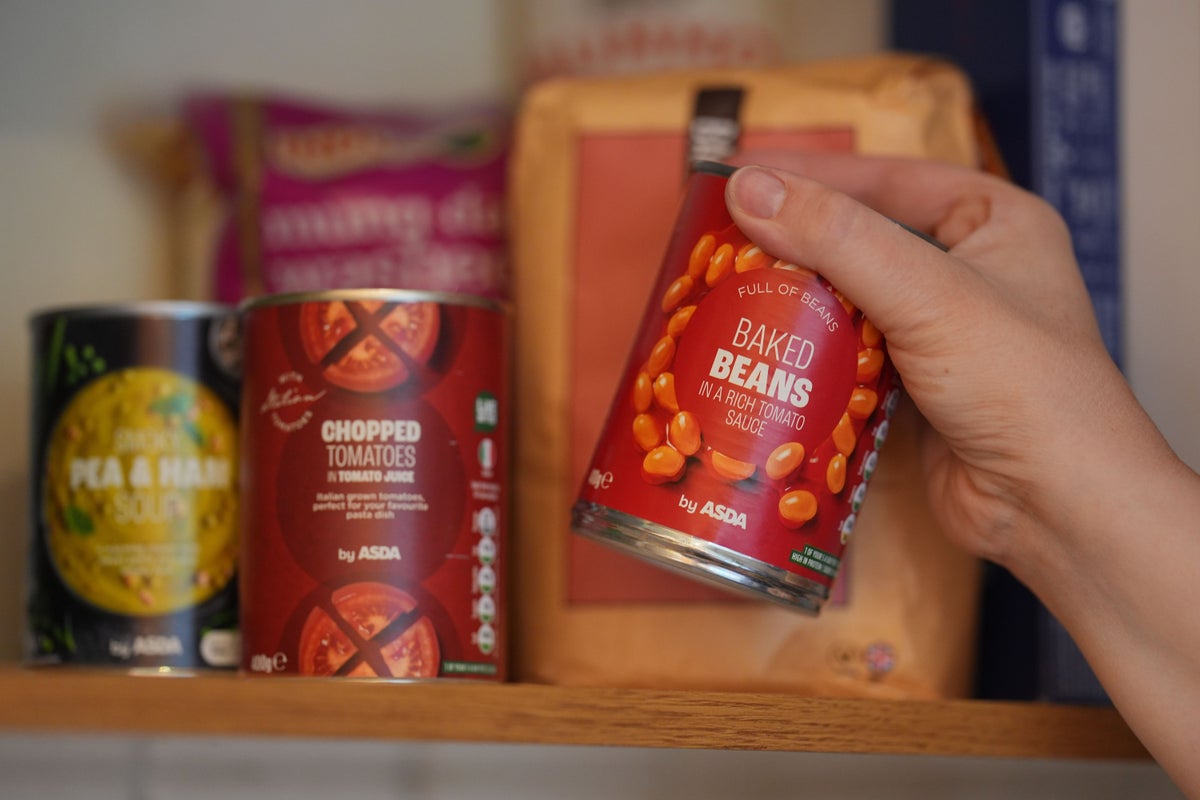
The Office for National Statistics (ONS) reported on Friday, November 20, 2026, that a government preparedness campaign led to a significant increase in supermarket sales during October. Retailers informed the ONS that the "Be Ready" initiative encouraged consumers to purchase long-life goods, including tinned items and UHT milk.
The campaign followed a warning from Defence Secretary Wes Streeting regarding "increasingly sophisticated cyber attacks" and possible disruptions to essential supplies. The government advised households to maintain at least three days' worth of bottled water and non-perishable food, alongside items such as hand sanitiser, torches, and blankets. This guidance was issued amid reports of cyber attacks targeting the retail sector, specifically affecting supermarket fridges and freezers across Europe.
Data from the ONS showed that food store sales rose by 0.8% in October compared to the previous month, marking the strongest growth for the sector in six months. Overall retail sales volumes grew by 0.7%, exceeding the 0.1% decline anticipated by economists. This followed a revised 0.6% decline in September. Beyond food, clothing and footwear stores saw 1.5% growth, which analysts attributed to seasonal weather changes, while motor fuel sales volumes decreased by 2.2% as prices rose.
The scale of the impact is reflected in the retail sector's recovery from a 0.6% slump in September to a 0.7% gain in October, representing a total swing of 1.3 percentage points in monthly sales volume. This increase was driven specifically by the "Be Ready" campaign and seasonal clothing demand. While fuel prices rose and discouraged motorists, leading to a 2.2% drop in fuel sales volume, the surge in grocery and clothing purchases was enough to push overall retail sales into positive territory for the three-month period ending in October.
The shift in purchasing sets a precedent for how government defense warnings can influence the broader economy and supply chain demand. The focus on long-life items such as UHT milk and tinned goods suggests that consumers prioritized shelf-stable inventory over fresh produce in response to cyber security concerns. Moving forward, the ONS will continue to monitor if this stockpiling behavior persists or if sales volumes stabilize as households complete their emergency kits. No specific expiration date for the "Be Ready" guidance was reported, and the impact of future cyber events on retail infrastructure remains a subject of ongoing government monitoring.