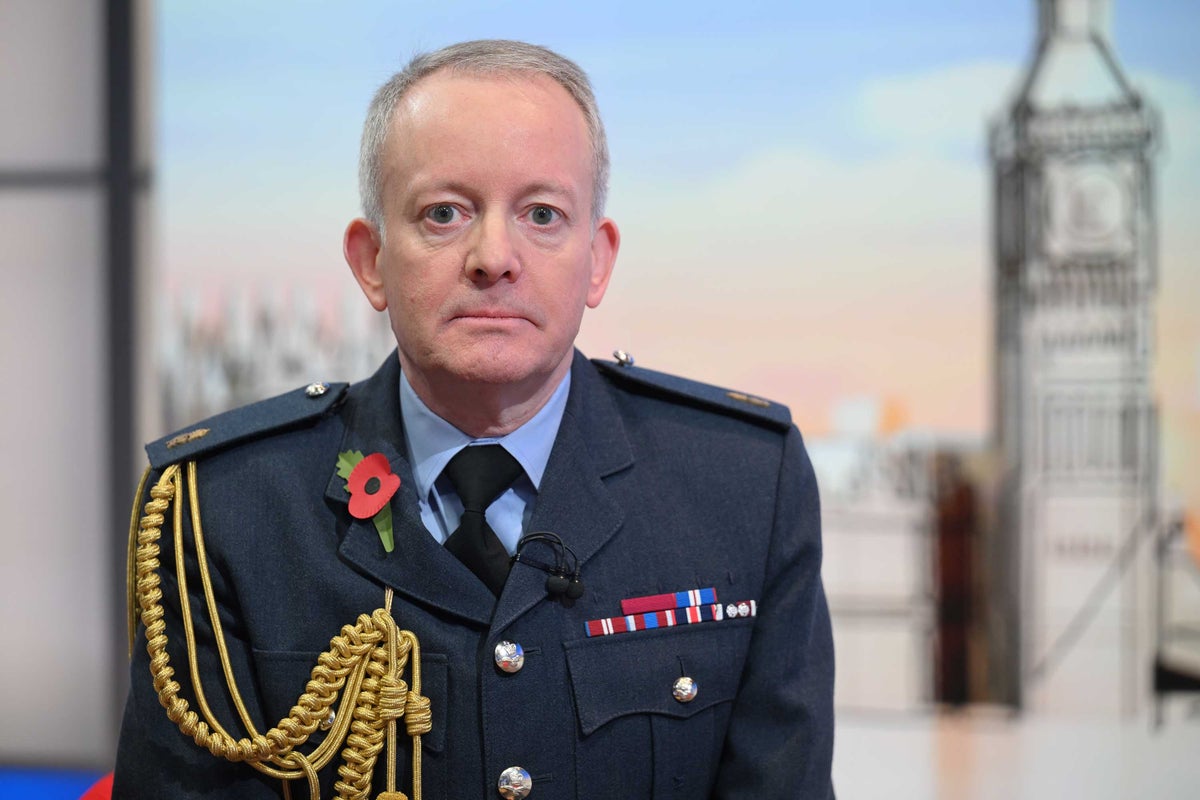
Air Chief Marshal Sir Richard Knighton, the UK’s Chief of the Defence Staff, stated on Sunday, November 8, 2026, that the United Kingdom must increase its defense readiness to catch up with European allies in response to rising threats from Russia. Knighton characterized the current global environment as the most dangerous period of his adult life, noting that the Russian state has shown an increased appetite for risk through activities such as sabotage, cyberattacks, and targeted assassinations.
These comments follow a period of heightened security concerns across Europe. Intelligence and security agencies reported earlier in the week that they are investigating a series of bomb threats directed at European airlines and news organizations. While officials noted that a cross-border investigation is currently underway to determine the origin of these threats, some intelligence community members cited by the Financial Times indicated that Russia is a primary suspect. Russia has previously denied involvement in hybrid attacks within Europe.
Knighton, 57, stated that the term "hybrid activity" is no longer sufficient to describe the scale of disruptions attributed to the Russian state. He noted that there is proof of such activities occurring in Europe and, to some degree, within the UK. In an interview with the BBC on Sunday, Knighton confirmed he is following government guidance for households to stockpile food and water, stating he spent the weekend preparing emergency supplies at his own home to increase personal resilience.
This assessment comes as households are being encouraged by the government to prepare for potential disruptions by stockpiling essential goods. The Chief of the Defence Staff emphasized that while the armed forces and emergency services are the first line of defense, individual citizens can play a part in readying themselves.
The scale of the reported threat involves multiple European nations currently participating in cross-border intelligence investigations. Knighton indicated that the British government will need to explain the threat to the public while trying to justify increased defense spending. Knighton argued that demonstrating military strength, industrial capacity, and national resilience is intended to prevent conflict by convincing adversaries that the costs of aggression are too high. What happens next depends on the findings of the ongoing intelligence investigation into the airline bomb threats and the UK government's upcoming decisions regarding defense budget increases. No specific dates for these findings or legislative votes were reported.