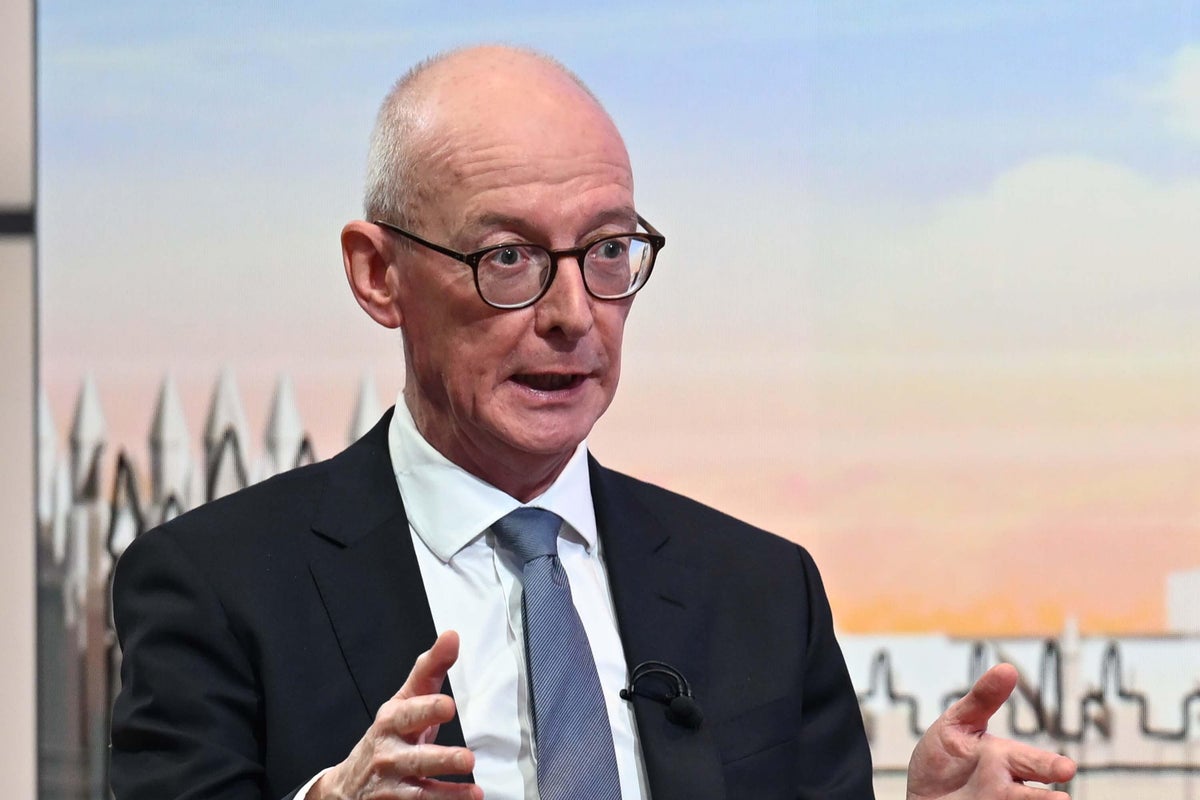
Work and Pensions Secretary Pat McFadden confirmed on Sunday, November 15, 2026, that future welfare reforms will result in lower benefit payments for some individuals. Speaking on the BBC’s "Sunday With Laura Kuenssberg," McFadden stated that "there will be people in the future who will not get what they would get today."
The announcement follows a government-commissioned review by former Health Secretary Alan Milburn regarding young people under 25 who are not in employment, education, or training (Neets). Milburn is scheduled to release the full review on Tuesday, November 17, 2026, which is expected to propose moving young people from health-related benefits to a "youth allowance" paid at the standard rate of Universal Credit.
Milburn reported that the government currently spends 25 times more on benefits for young people than it does on helping them enter the workforce. His proposals recommend adjusting this ratio to two to one. According to McFadden, the changes are intended to address long-term sickness benefit dependency, noting that a 20-year-old on such benefits is statistically more likely to remain on them at age 30 than to have held a steady job.
The review also proposes a legal "opportunity guarantee" for young people to receive work, training, or employment support. While Milburn stated the plan would avoid legal "elephant traps" that might allow individuals to sue the government if opportunities are unavailable, it would place a duty on the state to provide these options. He estimated that achieving a "reasonable level" of youth unemployment would take 10 years and require "billions" in investment, which he argued would be offset by welfare savings and increased tax revenue.
The impact would occur when individuals come up for reassessment. According to McFadden, those being reassessed would move to a new system. The government argues this will change the long-term career trajectory for thousands of young people, though the immediate effect for some households would be a decrease in benefit payments.
The long-term goal of the 10-year plan is to reduce the number of people reliant on the state and increase the number of active wage-earners. The proposal follows a previous attempt by the government to adjust welfare plans that was scaled back. The full review is set for release on Tuesday, November 17, 2026.