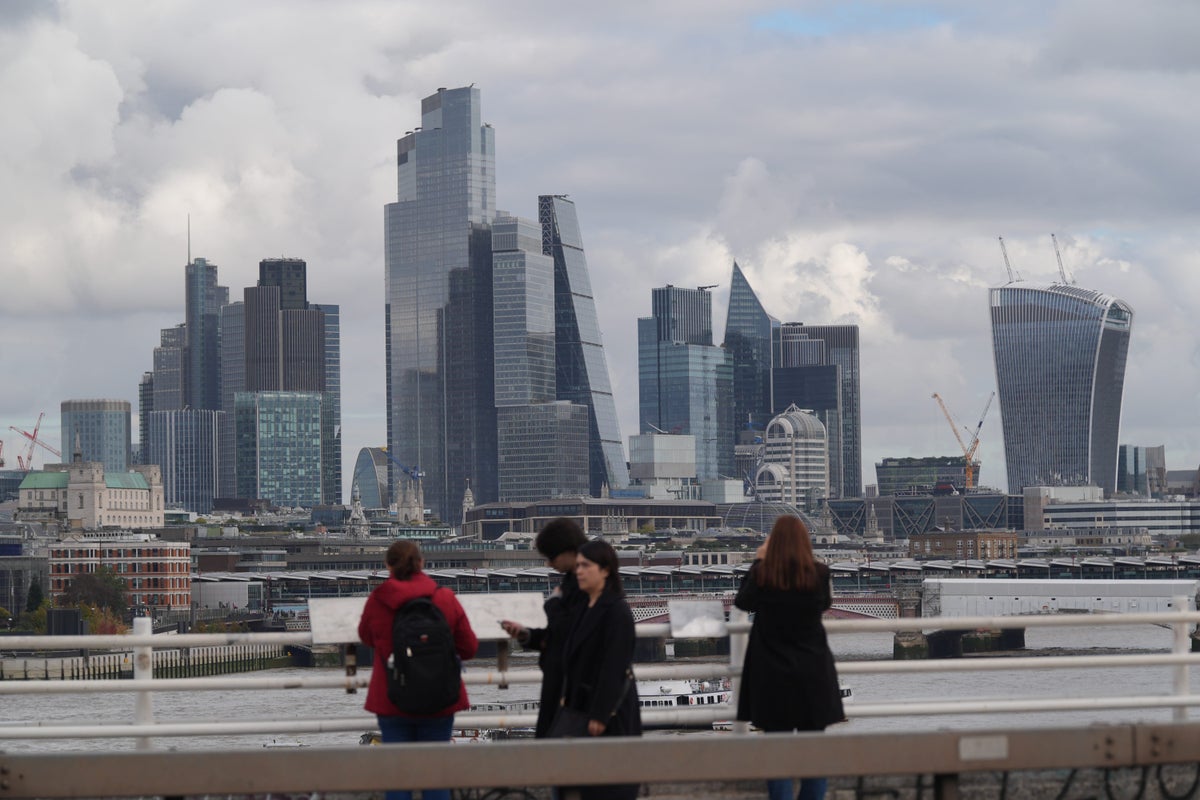
The Office for National Statistics (ONS) was scheduled to release gross domestic product (GDP) figures on Thursday, November 12, 2026, which are expected to show an acceleration in economic growth. Economists project that the United Kingdom's economy grew by 0.7% in the third quarter, covering July through September, up from 0.5% growth recorded in the second quarter.
The anticipated growth follows a period of increased business investment in infrastructure and technology. According to the ONS, businesses involved in artificial intelligence (AI) and cloud computing reported significant turnover in July, contributing to the overall GDP. This investment drive occurred alongside a rise in defense and aircraft spending, which experts suggest helped counter the economic impact of higher energy prices resulting from the Iran war.
Sanjay Raja, chief UK economist for Deutsche Bank, stated that consumer spending remained strong despite the energy price shock and geopolitical uncertainty. Other sectors contributing to the growth included healthcare and hospitality, the latter of which saw increased activity during the summer months. These gains are expected to offset lower performance in the manufacturing and construction sectors, which have been more affected by borrowing costs and energy prices.
The reported 0.7% growth rate serves as a measure of the nation's economic health. This growth reflects a shift in investment toward high-tech and defense sectors, while simultaneously indicating that the cost-of-living challenges driven by the Iran war have not yet led to a total economic contraction. The transition from 0.5% to 0.7% suggests a steadying of the national economy against external energy shocks.
For business owners and workers, the data highlights a concentration of capital in data centers, IT, and defense. Those employed in manufacturing and construction may experience a different day-to-day reality, as those sectors face continued pressure from high interest rates. The resilience of consumer spending mentioned by Deutsche Bank suggests that despite inflation, UK households continued to spend in the hospitality and service sectors through September, though the longevity of this trend remains a subject of economic debate.
What happens next depends on how the UK economy responds to higher inflation and interest rates toward the end of the year. Raja projected that economic growth is set to slow in the final quarter of 2026 as these financial pressures begin to weigh more heavily on both businesses and consumers. While business activity remained stable through early November due to minimal pre-Budget uncertainty, the official GDP results for the fourth quarter will determine if the UK can maintain its momentum into 2027.