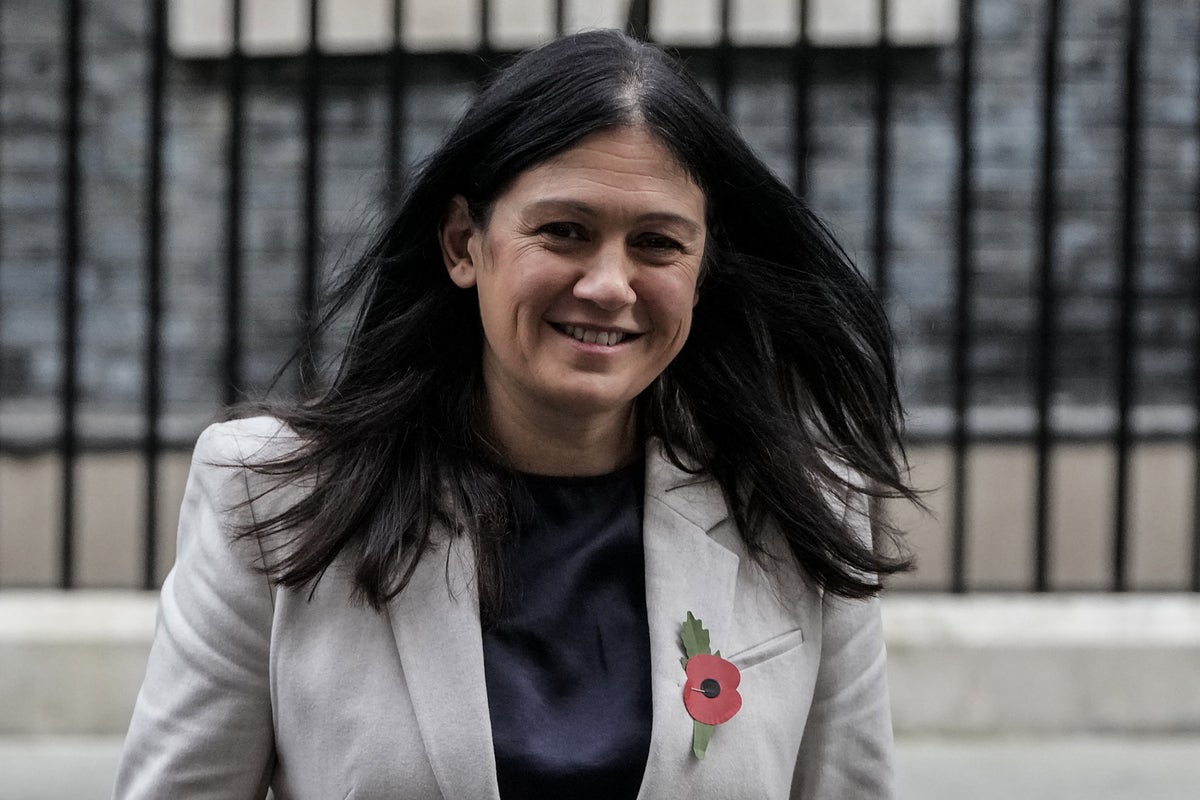
Culture Secretary Lisa Nandy announced on Saturday, November 7, 2026, that the United Kingdom will rejoin the Erasmus+ student exchange programme in January. The move marks the end of a six-year absence from the scheme, which facilitates international study, training, and work experience across the European Union.
The UK originally departed from Erasmus+ in 2020 following the Brexit agreement reached under former Prime Minister Boris Johnson, who stated at the time that the programme did not provide value for money. The government subsequently replaced it with the Turing Scheme, which has now ended. The transition back to Erasmus+ follows a post-Brexit reset agreement with Brussels outlined by former Prime Minister Sir Keir Starmer in 2025.
According to the government, the British Council will manage up to £400 million in funding to support participation by schools, youth groups, and sports teams. Nandy stated the new agreement includes a 30% reduction in participation fees for 2027, which the government says will save taxpayers approximately £240 million. Conservative Party Chairman Kevin Hollinrake criticized the timing of the announcement ahead of Remembrance Sunday, describing the payment to Brussels as "tone deaf" and "shameful."
For participating households and students, the shift represents a change in how international education is funded and accessed compared to the Turing Scheme. More than £30 million has been designated for youth initiatives in regions with historically lower participation, including the North East, East Midlands, and Yorkshire. Education staff will also have access to professional development opportunities, as the scheme includes provisions for overseas job shadowing and training within the EU.
Applications are scheduled to open later in November 2026, with the full program becoming active in January 2027. The government has not reported a specific date for when the first students will begin their travel under the renewed scheme.