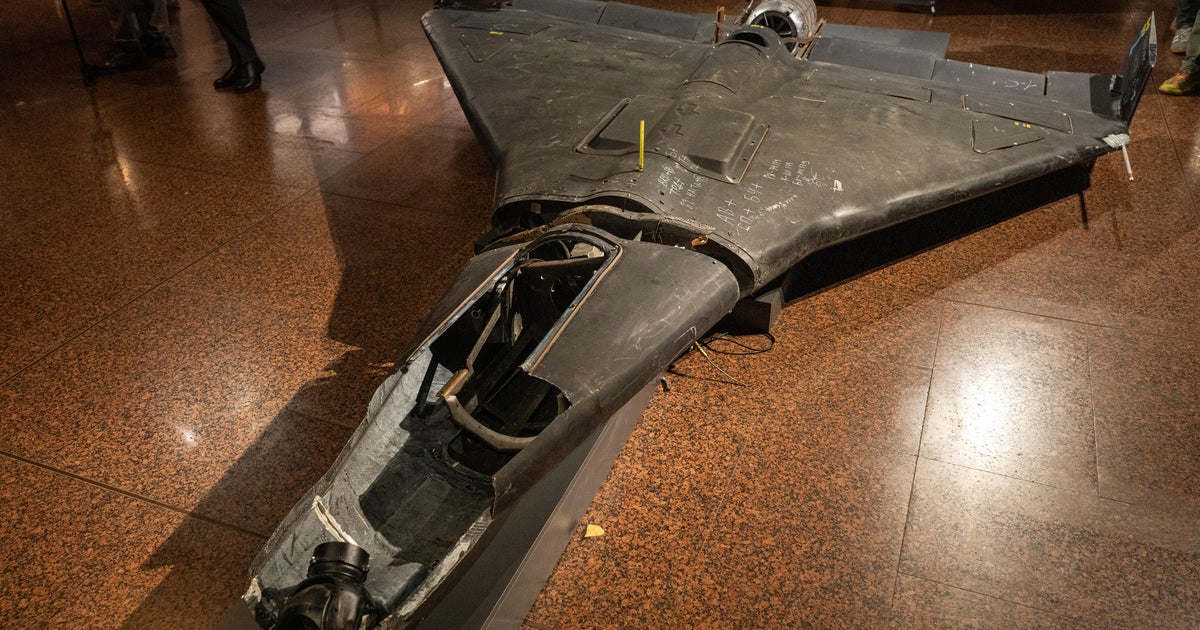
Ukraine has used a laser weapon to shoot down a Russian jet-powered attack drone for the first time, a senior military adviser to President Volodymyr Zelenskyy said on Wednesday, Nov. 25, 2026. The interception was carried out by the Blysk laser system, which was developed by the Ukrainian defense technology firm Carmine Sky to protect critical infrastructure. Serhii \"Flash\" Beskrestnov, the presidential adviser, stated that the system successfully engaged a Russian Geran drone under combat conditions.
The Blysk system is part of a government-backed \"Private Air Defense\" program supported by the Brave-1 defense technology cluster. This initiative allows private companies to form air defense units under the operational control of the Ukrainian Air Force. Approximately 100 companies have joined the program, with about half currently operating active combat units. These units utilize a range of equipment, including automated gun turrets and interceptor drones, to counter aerial threats.
According to Beskrestnov, the Blysk laser has a power output of four kilowatts and an effective range of up to one kilometer. While the system was deployed to protect Kyiv as of Nov. 19, 2026, officials noted that persistent cloud cover and fog had previously hindered its effectiveness, as weather conditions can disperse laser beams. Beskrestnov cautioned that although testing is ongoing, it is \"too early to talk about serial production\" of the laser technology.
For the Ukrainian government and participating private businesses, the scale of this initiative involves approximately 100 companies. The nonprofit group Come Back Alive projected in September 2026 that Russia would produce roughly 1,200 Geran-4 and 800 Geran-5 drones per month, with those numbers expected to grow. A single laser interception relies on electricity rather than the costly missiles or interceptor drones typically used to defend Ukrainian airspace.
The concrete day-to-day change for the Ukrainian military and defense sectors is the introduction of a lower-cost alternative for short-range air defense. While missiles can cost hundreds of thousands of dollars per launch, laser systems require power and precise tracking. However, the system's current one-kilometer range means its primary impact is limited to the immediate vicinity of the infrastructure it protects. Future policy will depend on whether Carmine Sky and other firms can move from the current testing phase to serial production, a transition for which Beskrestnov has not yet provided a specific date or deadline.