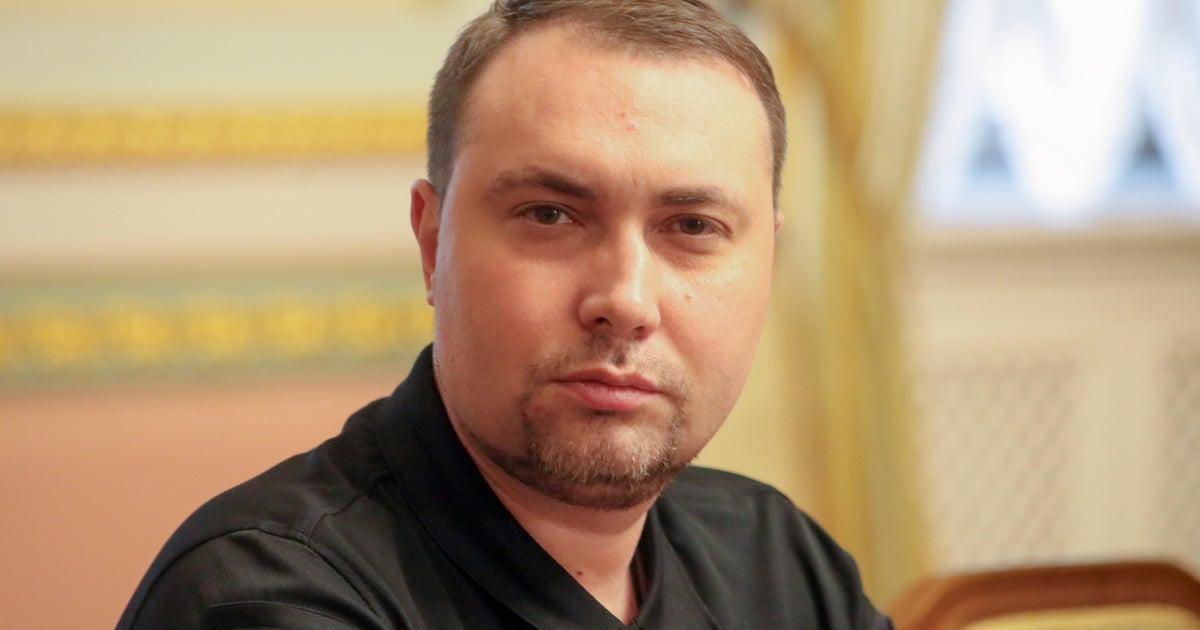
KYIV, Ukraine — Kyrylo Budanov, the head of Ukraine’s Presidential Office, expressed "restrained optimism" regarding upcoming trilateral negotiations between Ukraine, Russia, and the United States scheduled for Nov. 10 and 11 in Abu Dhabi. Budanov stated in an interview with CBS News that the talks would focus on postwar security guarantees for both Ukraine and Russia.
The meeting marks the first trilateral discussions between the three nations since February. It follows a period of strain in U.S.-Ukrainian relations, including a temporary restriction of SpaceX’s Starshield satellite network that disrupted Ukrainian drone and air-defense operations. Additionally, the U.S. recently reached an agreement to allow Russian diesel imports for the first time since 2022.
The Ukrainian delegation will be led by top negotiator Rustem Umerov and will include Budanov. U.S. envoys Steve Witkoff and Jared Kushner are expected to represent Washington, while Vladimir Medinsky, an aide to President Vladimir Putin, will lead the Russian delegation. Witkoff stated the goal is to build toward a "comprehensive, durable peace agreement."
The negotiations occur as Russia increases strikes on Ukrainian energy infrastructure. According to Ukraine’s energy ministry, recent strikes across 10 regions left hundreds of thousands of households without electricity and cut water access in much of Kyiv for over 16 hours. Budanov characterized these strikes as an attempt by Russia to create "social dissatisfaction" and "political pressure" on the Ukrainian government.
The scale of the diplomatic effort involves high-level representatives from nuclear powers and a primary combatant, with the U.S. represented by specific presidential envoys. The discussions over postwar security guarantees set a precedent for how the international community might mediate the conclusion of the conflict and what specific legal or military protections will be afforded to both nations. While the source does not provide a specific dollar amount for the proposed security guarantees, the outcome could influence future federal spending on foreign aid and energy markets, particularly following the recent U.S. decision to resume Russian diesel imports.
What happens next depends on the outcome of the meetings in Abu Dhabi on Nov. 10 and 11. Budanov noted that these negotiations "are not the last," suggesting a multi-stage diplomatic process. Future steps would likely include further high-level meetings aimed at organizing a direct summit between President Volodymyr Zelenskyy and President Vladimir Putin. No specific date for a follow-up meeting or a final peace agreement has been reported.