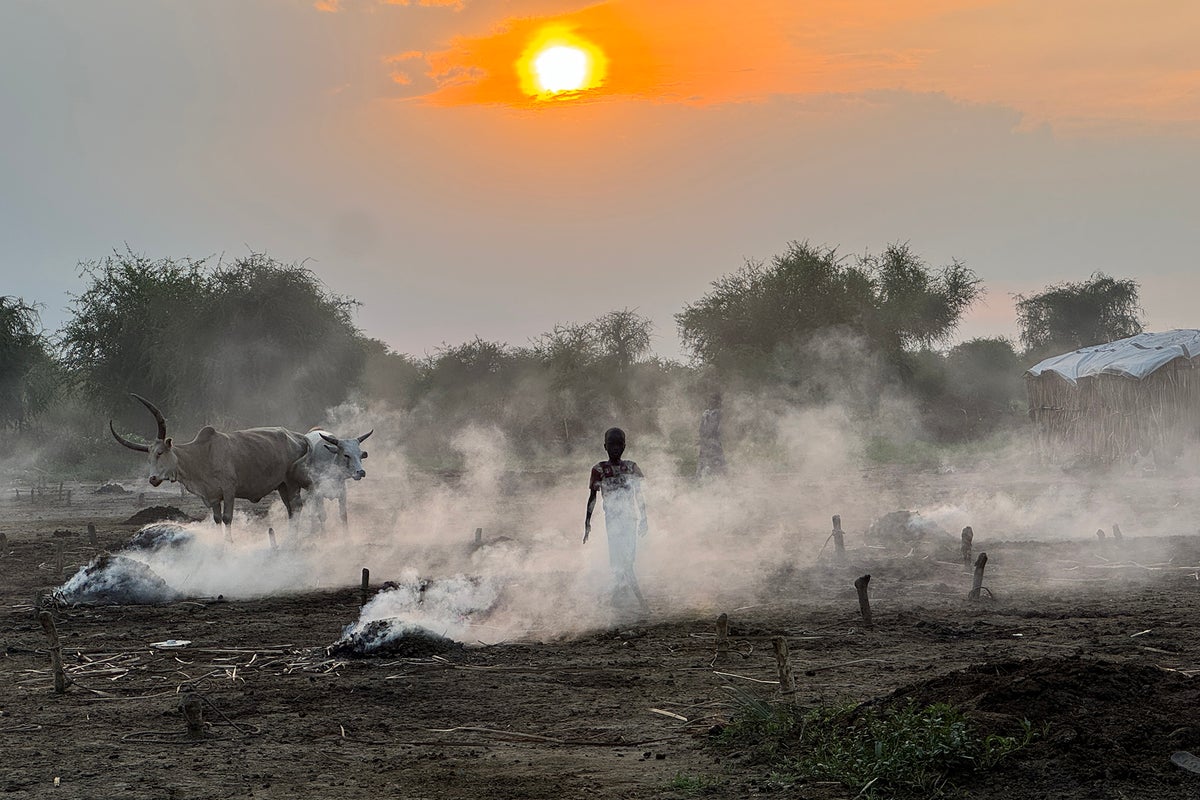
United Nations officials and humanitarian agencies report that millions of people in South Sudan face acute hunger despite the nation earning billions of dollars in oil revenue. A recent UN report stated that the country’s government has been "captured by a predatory elite" that has institutionalized the looting of national wealth for private gain. This assessment alleges that the state has abdicated its responsibility for providing food, healthcare, and education, leaving these services to be funded by international donors.
South Sudan, the world's youngest nation, is currently experiencing its third civil war. While there is a temporary lull in fighting because soldiers lack funds, the conflict has historically led to the displacement of millions. The UN characterizes the situation as "state capture," where the nation’s resources benefit a small section of society rather than the general population. The Independent reached out to South Sudanese government authorities multiple times for comment but received no response.
According to humanitarian agencies, 7.8 million people out of a population of nearly 12 million—including two million children—face acute hunger. In the town of Akobo, new arrivals seek aid daily, but rations have been reduced due to foreign aid cuts from international donors over the last two years. In Malakal, the World Food Programme (WFP) reports that shipping operations are being hindered by a local governor demanding a 10 percent tax on food aid, which the UN has refused to pay.
The reported diversion of resources affects approximately 7.8 million people, who are currently experiencing severe food insecurity. For these individuals, the impact is a direct reduction in daily caloric intake as humanitarian agencies like the WFP are forced to decide who receives assistance based on dwindling stocks. Families in regions like Akobo and Paguir face a lack of basic staples such as sorghum and cooking oil, with child malnutrition cases rising as supplies of therapeutic food sachets remain stalled by local tax disputes.
The economic scale of the issue involves tens of billions of dollars in oil revenue that the UN reports has been diverted from public infrastructure. Consequently, government officials have not received salaries for more than a year. This lack of domestic funding forces a reliance on international donors, who are now being asked to provide hundreds of millions of dollars in emergency funding at a time when major contributors, including the United Kingdom and the United States, have implemented worldwide aid cuts.
What happens next depends on the resolution of access negotiations and the physical environment. Aid agencies are currently using a specialized unit to negotiate passage through internal factions to reach hungry populations. Additionally, communities along the White Nile face a risk of flooding. While local dikes require renovation to protect villages, local officials report they are waiting for the WFP to organize the labor rather than using government revenues. No specific dates for new funding votes or the resumption of government salary payments were reported.