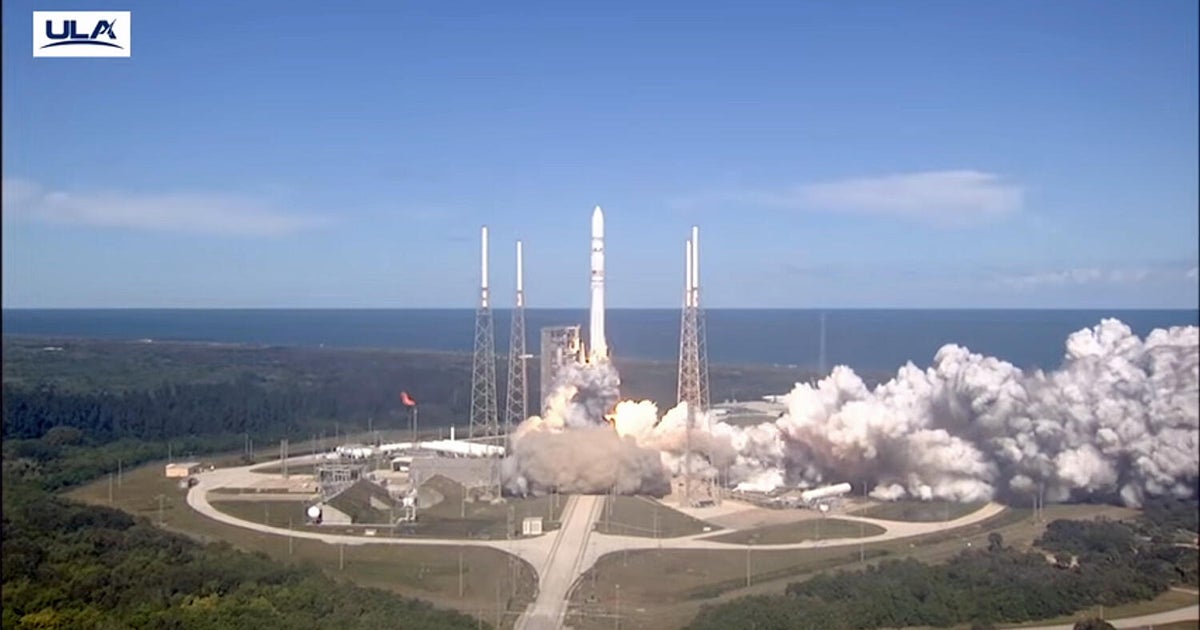
A United Launch Alliance (ULA) Vulcan rocket malfunctioned during a Sunday flight from Cape Canaveral Space Force Station, resulting in the loss of 40 Amazon Leo internet satellites. The vehicle suffered an anomaly approximately 10 minutes into the flight, failing to deliver the payload to orbit. ULA, a joint venture between Boeing and Lockheed Martin, stated it will work with customers and appropriate organizations to determine the cause and implement corrective actions.
The mission was the fifth flight for the Vulcan rocket and the first in nine months following efforts to resolve nozzle issues with solid-fuel boosters. During the ascent, the rocket's first-stage BE-4 engines appeared to fire longer than scheduled. Following stage separation, the hydrogen-fueled Centaur upper stage was intended to perform a 12-minute and 15-second burn, but ULA confirmed the mission failed during this phase.
This event marks the first outright flight failure for ULA since its formation in 2006. The Vulcan rocket is intended to replace the company's Atlas 5 fleet. Before this mission, the U.S. Space Force had placed Vulcan launches for national security payloads on hold to analyze previous nozzle performance issues, though ULA had been cleared for commercial missions.
The setback also impacts the broader commercial launch market and federal operations. The Vulcan rocket is critical for U.S. government missions, including NASA's Artemis and Moon Base programs, and national security payloads managed by the Space Force. A grounding of the Vulcan fleet for a technical review and remediation could delay these high-priority missions, though the specific length of the delay and the associated costs per launch were not reported.
The next steps involve a formal investigation by ULA into the telemetry data to identify the exact cause of the anomaly. Amazon and other customers will have visibility into the investigation process. Future Vulcan launches will remain pending until the investigation is complete and corrective actions are implemented. No specific date for the next flight attempt has been established.