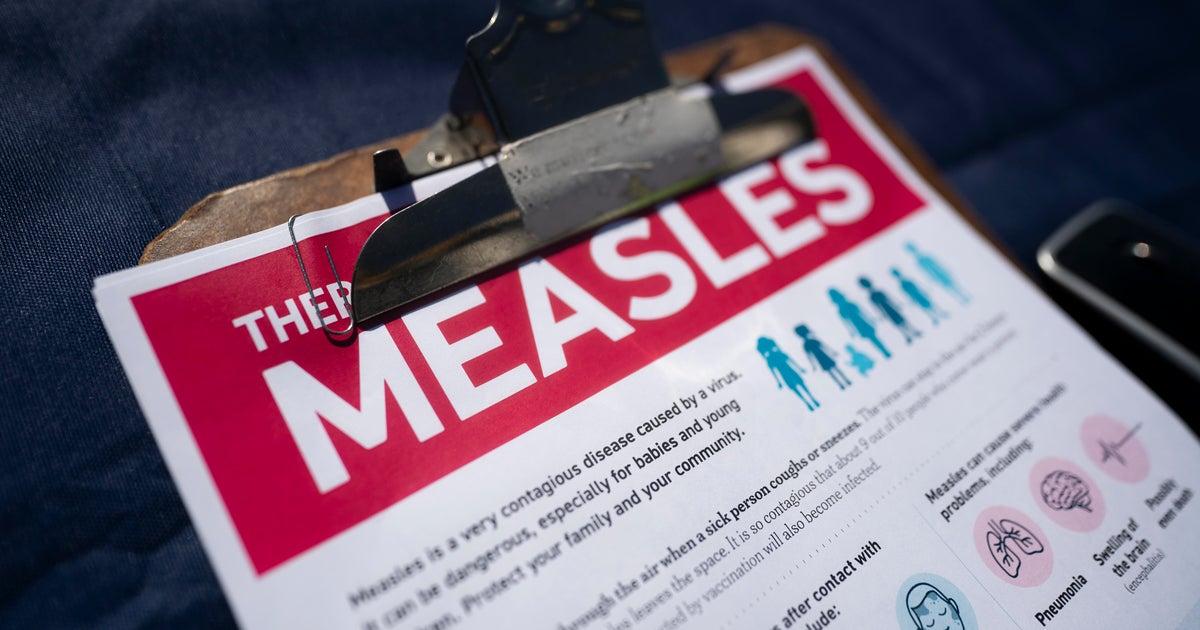
The Pan American Health Organization (PAHO) has removed the United States from its list of countries that have eliminated measles. Researchers informed KFF Health News on Saturday that the decision follows a period in which the U.S. recorded more than 5,400 measles cases, more than doubling the total from the 2025 record of 2,242. To maintain elimination status, a country must show there are no locally transmitted infections or outbreaks lasting 12 months or longer.
The U.S. was first declared to have eliminated measles in 2000. While previous outbreaks occurred, such as a 2015 cluster linked to Disneyland and a 2018-19 outbreak in New York, public health measures or high vaccination rates previously prevented sustained transmission. However, Centers for Disease Control and Prevention (CDC) data indicates that about one-third of the cases recorded in 2026 are linked to outbreaks that began in 2025 and continued to spread for more than a year.
As of late 2026, the CDC has recorded 5,412 cases across 45 states and Washington, D.C. These infections have resulted in more than 590 hospitalizations and at least six deaths, with some states reported to have additional fatalities. Pennsylvania has reported more than 1,500 cases and seven deaths. The CDC reports that 96% of those infected in 2026 were either unvaccinated or had an unknown vaccination status.
The 5,412 cases recorded so far in 2026 compares to 2,242 cases in 2025. This increase impacts the healthcare system, including the more than 590 people hospitalized this year. Certain groups, such as infants, pregnant women, and those with weakened immune systems who cannot receive the measles, mumps, and rubella (MMR) vaccine, are now more reliant on general population immunity. Dr. Omer Awan noted that these vulnerable groups will likely bear the brunt of the consequences, including pneumonia or brain infections known as encephalitis, as the disease spreads more widely.
To regain elimination status, the U.S. must prove to PAHO that there is no local spread lasting longer than 12 months. This typically involves maintaining a vaccination rate of 95% or higher; currently, childhood vaccination rates in several communities have dropped below the levels needed to prevent outbreaks. While nine states made it easier to opt out of vaccines in 2025, other states that previously ended nonmedical exemptions saw kindergarten vaccination rates rise by 2 to 4 percentage points. State legislatures are scheduled to reconvene in January to consider new rules regarding vaccine exemptions. PAHO is scheduled to hold a news conference regarding the status change on Tuesday.