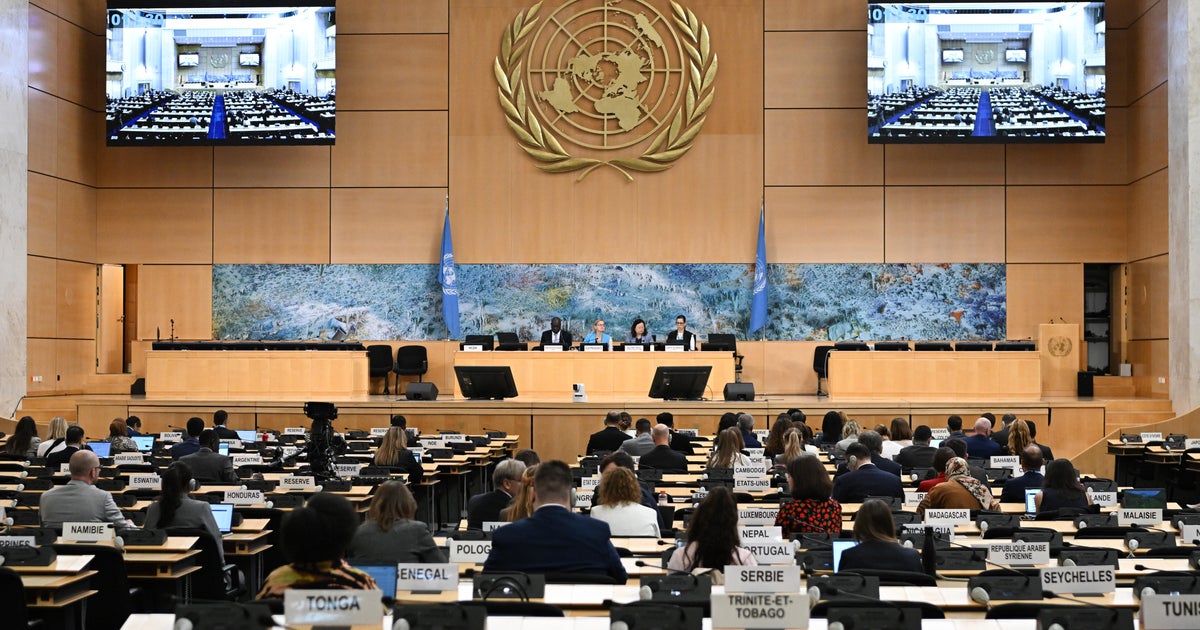
The United States is set on Tuesday to become the first country to refuse a regular review of its human rights record at the United Nations Human Rights Council. The Geneva-based council conducts these evaluations every four to five years for all 193 U.N. member states. While the United States originally skipped a scheduled appointment a year ago, a rescheduled session was set for Tuesday, which the administration indicated it would not attend.
This decision follows the U.S. withdrawal from the Human Rights Council in 2018. At the time of withdrawal, U.S. Ambassador Nikki Haley characterized the body as a "protector of human rights abusers" and cited a "chronic bias" against Israel. The Trump administration has maintained that the council fails to uphold its stated values by allowing countries with poor rights records to serve as members, specifically naming China, Cuba, and Venezuela.
A State Department spokesperson confirmed the boycott, stating the U.S. gives "no credibility" to the agency. The spokesperson described the council as an "irredeemable body" that pushes "anti-American rhetoric" and fails to condemn significant human rights violators. Supporters of the review process, including the American Civil Liberties Union (ACLU), argue that the U.S. should be held accountable for its own policies, including its approach to deportations and targeted killings of alleged drug-runners.
The scale of this action is significant as it marks the first time a member state has fully shunned the Universal Periodic Review (UPR) process since its inception. Previously, all 193 U.N. members participated in the three-part process, which involves producing a national report, participating in an open hearing, and making public commitments to improvement. By opting out, the U.S. government is asserting that it is exempt from international monitoring, a move that critics like Eric Tistounet, the council's first secretary, suggest could weaken the credibility of the review system.
What happens next depends on the U.N.'s procedural response. The council stated that the review cannot proceed without U.S. representatives present. In response, the ACLU and other advocacy groups have requested that the U.N. human rights chief provide an independent update on the U.S. rights record early next year. While the administration has stated it would be open to rejoining a reformed council in the future, no specific dates for such negotiations have been set.