The Plain Record

Neutral daily news — clear headlines, complete facts.

General

University of Pittsburgh student recovers from rare brain tumor diagnosed via hormone test

A University of Pittsburgh student was diagnosed with a rare germinoma after blood tests showed hormone levels typically associated with pregnancy.

Published November 28, 2026 at 9:05 AM EST

The short answer

A University of Pittsburgh student was diagnosed with a rare germinoma after blood tests showed hormone levels typically associated with pregnancy. Niko Pitinii, a 21-year-old student at the University of Pittsburgh, was diagnosed with a rare brain tumor after experiencing severe fatigue and rapid weight loss.

University of Pittsburgh student recovers from rare brain tumor diagnosed via hormone test

The Facts

Who
Niko Pitinii, a University of Pittsburgh student, and Dr. Amy Smith of the Cleveland Clinic.
What
The diagnosis and treatment of a rare brain tumor in a college student.
When
From the patient's 21st birthday through the following September.
Where
Pittsburgh, Pennsylvania and Cleveland, Ohio.
Why
A rare germinoma caused symptoms of fatigue and fainting, requiring surgery, chemotherapy, and radiation.

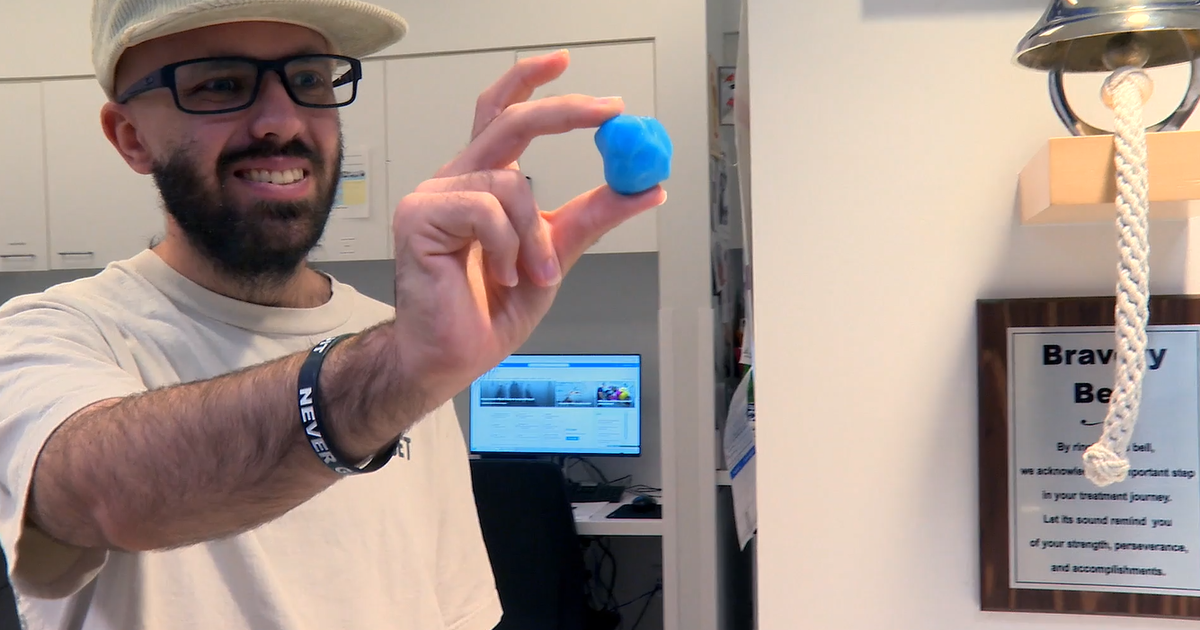
Niko Pitinii, a 21-year-old student at the University of Pittsburgh, was diagnosed with a rare brain tumor after experiencing severe fatigue and rapid weight loss. Medical imaging and blood tests performed at the Cleveland Clinic identified the growth as a germinoma, a type of cancerous tumor roughly the size of a golf ball.

The diagnosis followed several weeks of symptoms that began during a trip to Las Vegas and escalated until Pitinii fainted during a football practice for the Pittsburgh Panthers, where he served as a student equipment manager. While initial emergency room bloodwork showed no issues, a subsequent scan revealed a mass obstructing a brain ventricle, causing a buildup of spinal fluid known as hydrocephalus.

Before a biopsy was conducted, doctors identified the tumor as likely cancerous after bloodwork showed elevated levels of beta-hCG. According to Dr. Amy Smith, a pediatric oncologist at the Cleveland Clinic, this hormone is typically associated with pregnancy but is also secreted by certain rare tumors. Smith noted that germinomas account for approximately 1% of brain cancers and have a reported cure rate between 90% and 95%.

Pitinii took a semester off from school to undergo four rounds of chemotherapy followed by 24 sessions of proton radiation. The day-to-day impact for the patient included a 60-pound weight loss and side effects from an appetite stimulant, such as difficulty sleeping and impaired concentration. These physical changes occurred over a treatment window from January to June. The follow-up process includes a decade-long monitoring period involving regular MRIs and bloodwork to manage a 7% to 10% estimated risk of recurrence. Pitinii reported considering a master's degree in social work to assist other young cancer patients.

Pitinii returned to the University of Pittsburgh for the fall semester and is scheduled to graduate next year. He was nominated for the national Courage Award, with the winner to be announced during the Capital One Orange Bowl in January. He will continue to be monitored by the Cleveland Clinic’s survivorship team for the next 10 years to track any long-term side effects from the radiation and chemotherapy.

Timeline of what happened

Key dates and decisions, in the order they occurred.

  1. January 1

    Patient begins four rounds of chemotherapy

  2. June 2, 1

    Patient completes 24 targeted proton radiation sessions

  3. July 7, 1

    MRI scan conducted to assess treatment results

  4. July 8, 1

    Doctors inform patient he is cancer-free

  5. September 1

    Pittsburgh Panthers nominate Pitinii for Courage Award

Summaries are written by The Plain Record to state the facts of a story plainly and without political slant. Drafted with AI assistance and checked against the source record before publication. See how we report, or report a correction.

← Back to the front page

Questions readers ask

What happened: University of Pittsburgh student recovers from rare brain tumor diagnosed via hormone test?

The diagnosis and treatment of a rare brain tumor in a college student.

Who is involved?

Niko Pitinii, a University of Pittsburgh student, and Dr. Amy Smith of the Cleveland Clinic.

When did this happen?

From the patient's 21st birthday through the following September.

Where did this happen?

Pittsburgh, Pennsylvania and Cleveland, Ohio.

Why does this matter?

A rare germinoma caused symptoms of fatigue and fainting, requiring surgery, chemotherapy, and radiation.