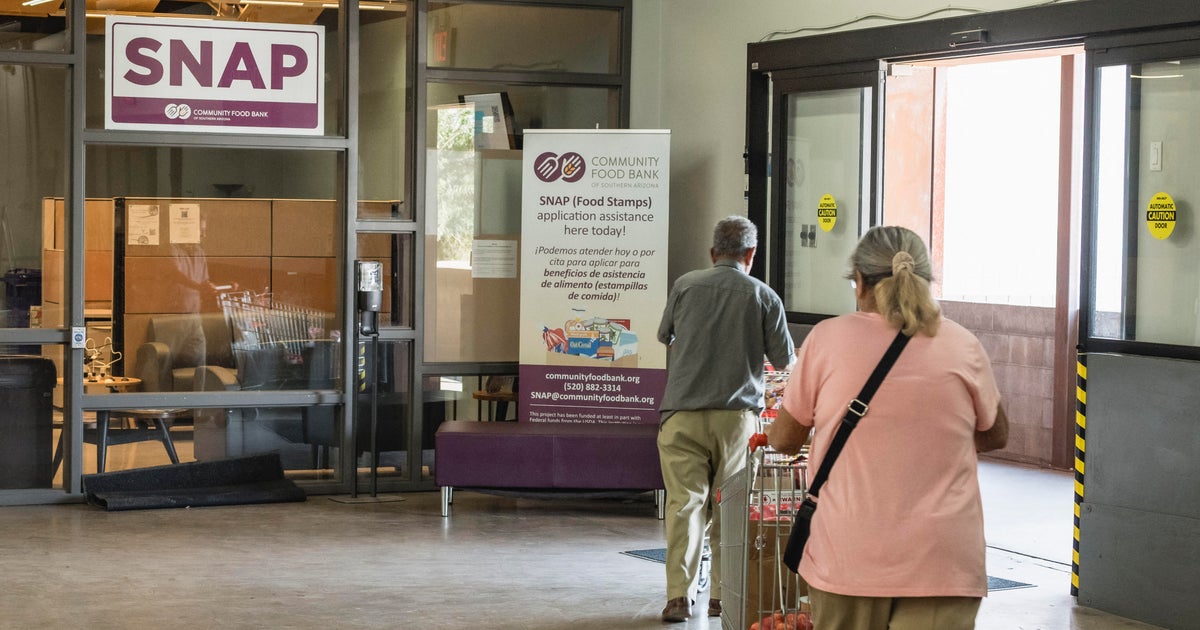
The U.S. Department of Agriculture (USDA) introduced a proposal to tighten eligibility requirements for the Supplemental Nutrition Assistance Program (SNAP). The proposed rule, released on a Tuesday for public comment, seeks to restrict "broad-based categorical eligibility," a policy currently used by more than 40 states. This policy allows households with incomes above standard SNAP thresholds to qualify for aid if they receive non-cash benefits through the Temporary Assistance for Needy Families (TANF) program, such as childcare assistance or job training.
This proposal follows recent changes to federal food assistance. In July 2025, the "One Big Beautiful Bill" was enacted, which expanded SNAP work requirements. Additionally, as of October 1, states are required to pay a larger portion of the costs to administer the program. USDA figures indicate that more than 5 million Americans have lost SNAP access since July 2025. The Trump administration previously proposed a similar eligibility change in 2019, though it was later withdrawn by the Biden administration in 2021.
White House spokeswoman Allison Schuster stated that the administration intends to ensure SNAP serves "eligible Americans who need it most" while stopping "fraudsters" and implementing cost-saving measures. However, critics of the rule, including Rep. Angie Craig (D-MN), characterized the proposal as "heartless and cruel." Gina Plata-Nino of the Food Research and Action Center (FRAC) stated the rule would create additional barriers at a time when food insecurity has surged, according to Federal Reserve Bank of New York research.
The proposal would affect low-income households, particularly those with gross incomes just above 130% of the federal poverty line. For a family of three, this is approximately $35,500 per year. The USDA projects that if the rule is adopted, it would reduce SNAP enrollment by roughly 17%. The agency estimates that 6.3 million people would lose access to food stamps in 2029, the year the proposal is scheduled to take effect. Advocacy groups like FRAC suggest the actual number of people losing aid could be higher than these official estimates.
The change would also impact related federal assistance programs that use SNAP enrollment to determine eligibility. According to the USDA, approximately 1.8 million children would lose access to free school lunches as a result of the rule. Furthermore, 5,500 low-income women would lose access to supplemental food aid specifically designated for women and children. Cyndi Kirkhart, CEO of a West Virginia food bank, stated the rule would affect seniors, "grandfamilies," and those maintaining employment in areas with low-paying work.
For states, the rule would remove a policy that Plata-Nino noted lowers administrative costs. The USDA, however, stated in the rule text that current standards could technically allow even wealthy households to receive benefits. The agency maintains the new rule is designed to align SNAP with the original intent of Congress. The proposal is currently open for public comment, and if finalized, the effective date is set for 2029.