Advocacy groups and medical experts are increasing efforts to identify and treat traumatic brain injuries (TBIs) among veterans of the post-9/11 military generation. According to the Wounded Warrior Project, more than 530,000 service members and veterans have been diagnosed with some form of TBI since 2001.
The focus on these injuries follows decades of combat operations and more recent reports of dozens of service members suffering TBIs during conflicts involving Iran. Experts describe TBI as an "invisible wound" because symptoms—such as memory loss, concentration difficulties, and mood changes—may not appear until weeks, months, or years after the initial event.
The Wounded Warrior Project’s Independence Program provides specialized therapies, including art and music therapy, at no cost to eligible veterans with moderate to severe brain injuries. Program director Kelly Parker stated that early intervention is critical, as persistent headaches, anxiety, depression, and sleep disturbances often signal underlying neurological damage.
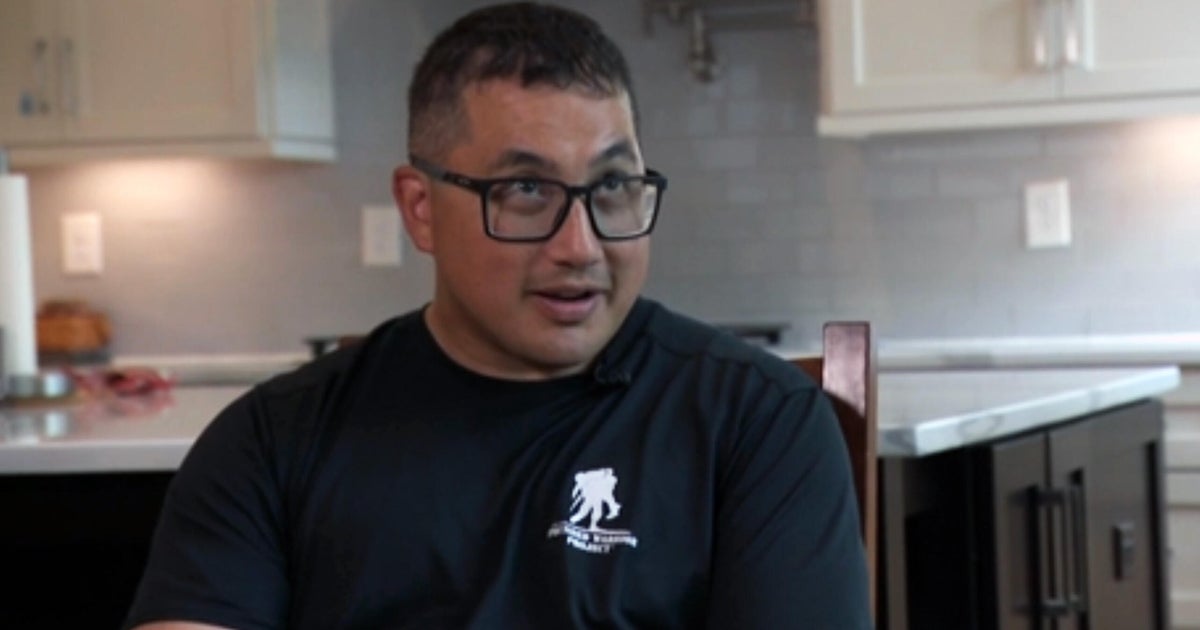
One example of long-term recovery involves Army veteran Jon Kohl, who suffered a severe TBI during a 2013 helicopter crash in Afghanistan. His treatment required surgeons to remove approximately a quarter to a third of his skull to relieve pressure. While doctors initially predicted he might not walk or talk again, Kohl spent about three years under round-the-clock care and continues to use specialized therapies more than a decade later to improve his independence.
For the affected individuals, the concrete day-to-day change involves managing symptoms that can impair basic functions such as swallowing, reading, and memory. The availability of programs like the Independence Program means eligible veterans may access music or art therapy at no cost to their households, which would otherwise be an out-of-pocket expense. Without proactive treatment, the source suggests families may struggle to recognize needs that are less visible than physical injuries like amputations.
The knock-on effects concern the long-term strain on veteran support systems and the continued need for specialized neurological care as more service members are diagnosed in current conflicts. The precedent set by these programs emphasizes the transition from acute hospital care to home-based, lifelong therapy. What happens next involves ongoing advocacy for early screening; the Kohl family and medical experts advise that any service member experiencing mood changes or persistent headaches seek immediate evaluation, though no specific legislative deadlines or vote dates were reported in the source.