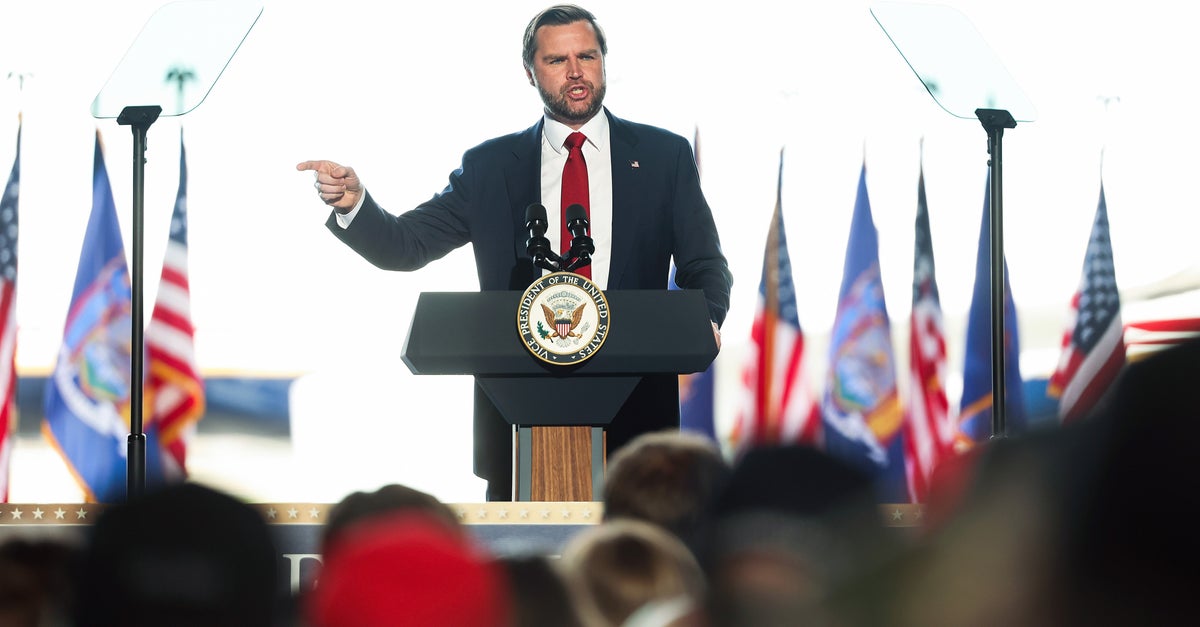
Vice President JD Vance shifted his political strategy during the final stages of the 2026 midterm elections, according to two people familiar with the change. Following the vote on Tuesday, Nov. 3, in which Republicans lost control of Congress, Vance has increasingly focused on his own policy portfolio. A review of speeches by Reuters since September found that Vance has prioritized topics such as economic nationalism, public safety, and foreign policy restraint.
The shift comes as Republicans assess their performance in the midterms and begin considering the party's direction for the 2028 presidential cycle. While President Donald Trump has not endorsed a successor and Vance has not announced a candidacy, Vance is viewed by some Republican officials as a potential contender. The Vice President's recent actions suggest an effort to establish a distinct identity on certain policy matters while maintaining the support of Trump’s coalition.
On Wednesday, Nov. 4, Vance posted an election postmortem on social media that identified the war in Iran as a cause for Republican losses. He called for a swift conclusion to the conflict and urged the party to reevaluate foreign relations, including the U.S. relationship with Israel. This position contrasts with President Trump, who launched the war following lobbying by Israeli Prime Minister Benjamin Netanyahu and stated on Wednesday, "I would have done nothing different." White House chief of staff Susie Wiles reportedly knew of Vance's post in advance, according to three people familiar with White House and Vance’s communications.
For the American public, these internal party debates may eventually influence federal policy regarding international conflicts and domestic spending. Vance’s call for a swift end to the Iran war directly addresses a conflict that President Trump has acknowledged contributed to high gas prices. However, the immediate impact on White House policy remains uncertain, particularly after President Trump reshuffled leadership on Friday, Nov. 6, replacing Wiles with Stephen Miller.
The next steps for the Republican party include a period of internal review following the loss of Congressional control. Democratic strategists, such as Igor Volsky, have indicated they intend to tie any future Republican nominee to Trump's record. Vance’s own record from the midterms is also under scrutiny, as Republicans lost several states where he campaigned, and some strategies he supported—such as an ad by Ohio gubernatorial candidate Vivek Ramaswamy—were cited by critics as potentially contributing to losses. Further clarity on the party's direction may emerge as other potential candidates, like Secretary of State Marco Rubio, choose whether to weigh in on the post-election landscape.