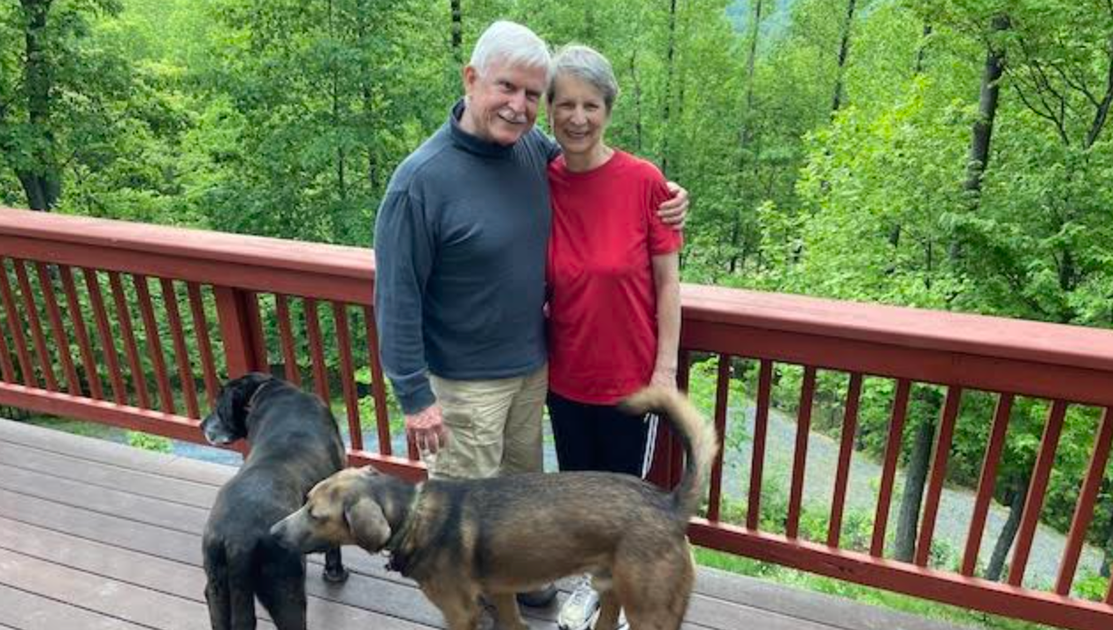
A couple in Virginia’s Blue Ridge Mountains has established specific boundaries while providing care for an aging neighbor experiencing physical and cognitive decline. Carole Duff and her husband, Keith, began assisting their neighbor, referred to as Jim, after he requested regular check-ins to ensure he would not die alone. The situation highlights the challenges faced by neighbors who step in to support older adults when family members live far away.
The neighbors live in a rural community of 12 families where multi-acre lots provide privacy. However, the COVID-19 pandemic led to more deliberate interactions between residents. The couple’s concern for Jim increased following a series of three unexplained single-vehicle accidents he experienced on mountain roads. During this period, they observed signs of deterioration, including poor exterior house maintenance, trash accumulation, memory issues, and difficulties caring for his pets.
To manage the situation, the couple met with Jim’s children, who reside several hours away. The children manage Jim’s finances, legal matters, and medical coordination, while the neighbors act as "eyes and ears" on the scene. Their current assistance includes weekly Tuesday dinners, walking Jim's dogs during mid-afternoon breaks, and providing occasional transportation and prescription pickups when Jim's truck is unavailable.
The neighbors reported that they have set limits on their involvement to avoid infringing on Jim's independence or creating a "full-time job" for themselves. They declined to provide house maintenance, personal care, or regular transportation. Duff noted that while Jim has the financial means to pay for professional services, he has expressed a greater fear of losing his privacy or his home than of dying alone.
For the individuals involved, the day-to-day impact includes a loss of personal time and the adoption of new responsibilities, such as monitoring a neighbor’s health and home environment. A neighbor in this role may spend time performing tasks like dog walking or grocery delivery. The residents must also navigate safety risks, such as determining when a neighbor’s driving becomes a threat to public safety after multiple accidents.
The situation reflects how rural communities might manage the aging process as more people enter their 70s and 80s. It emphasizes the role of regional organizations, such as the Jefferson Area Board for Aging, which serve as safety nets for seniors. The neighbors have stated that Jim and his children must ultimately determine a long-term solution for his care.