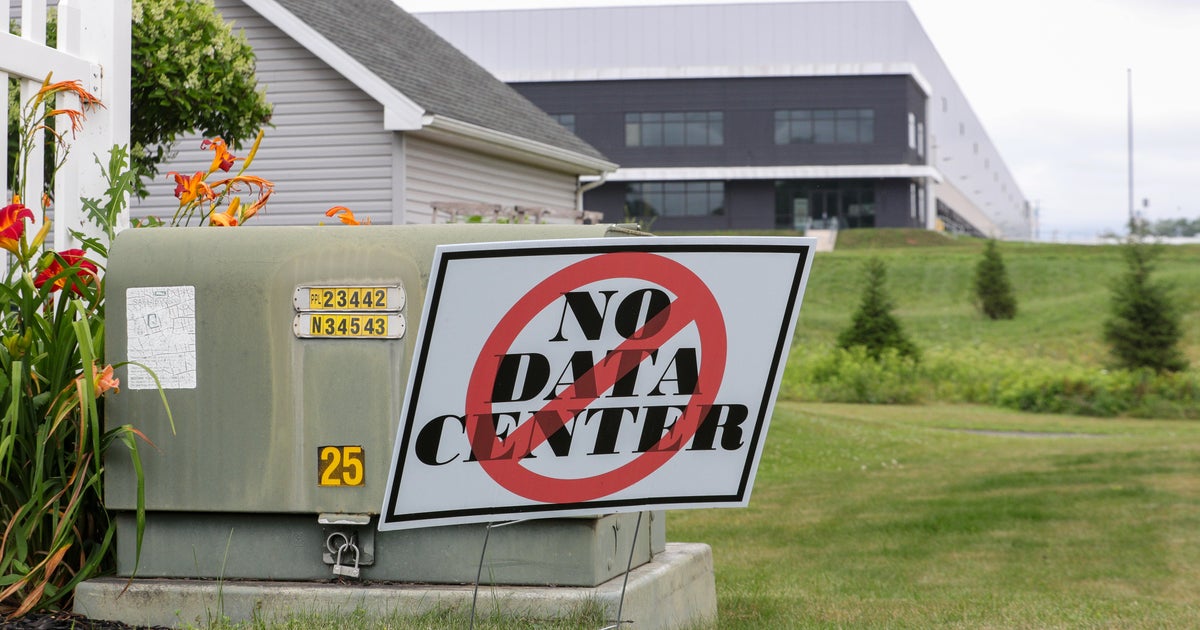
Voters and newly elected officials across several states moved to restrict the expansion of data centers during the recent midterm elections, citing concerns over the impact of artificial intelligence infrastructure on local communities. According to reported results, voters approved at least 44 out of 47 ballot measures nationwide designed to limit data center construction. These measures range from temporary moratoriums to outright bans on new facilities.
The movement against data centers gained momentum in states that have previously served as hubs for the industry. In Texas, Governor-elect Gina Hinojosa (D) defeated incumbent Greg Abbott (R) after campaigning on a promise to halt new data center construction until more regulatory safeguards are established. Texas currently hosts 169 operational data centers, with another 118 under construction and more than 500 planned. Georgia Governor-elect Keisha Lance Bottoms (D) also announced plans to sign an executive order pausing new construction to review state-provided incentives for the industry.
This political shift contributed to significant volatility in the stock market. The tech-focused Nasdaq index entered a correction on Thursday as investors reacted to the potential slowdown in AI infrastructure. While President Trump expressed support for AI on social media, calling the facilities "gold" for states, market analysts reported that the election results created a "headwind" for firms involved in the build-out. OpenAI responded to the developments on Thursday by pledging to end the use of nondisclosure agreements with public officials and providing residents with access to construction plans.
The scale of the impact is tied to the high concentration of technology stocks in major indexes. Nigel Green, CEO of deVere Group, stated that the tech sector had become "the most crowded trade on the planet," meaning that shifts in sentiment can lead to rapid price drops. If the downturn persists, it could affect consumer spending, which accounts for roughly two-thirds of U.S. economic activity. Business analyst Jill Schlesinger noted that while the impact has not yet spread to the broader economy, the interconnectedness of AI companies and their reliance on borrowed money for unprofitable technology creates risks for the wider market.
What happens next depends on the inauguration of new state leaders and the implementation of ballot measures. Governor-elect Bottoms is scheduled to take office in January, at which point she stated she would sign the executive order to pause construction in Georgia. In Texas, the timeline for Governor-elect Hinojosa's proposed halt depends on the establishment of new state rules. In the private sector, OpenAI's new transparency measures are expected to be implemented as the company seeks to build trust with local communities during future development cycles.