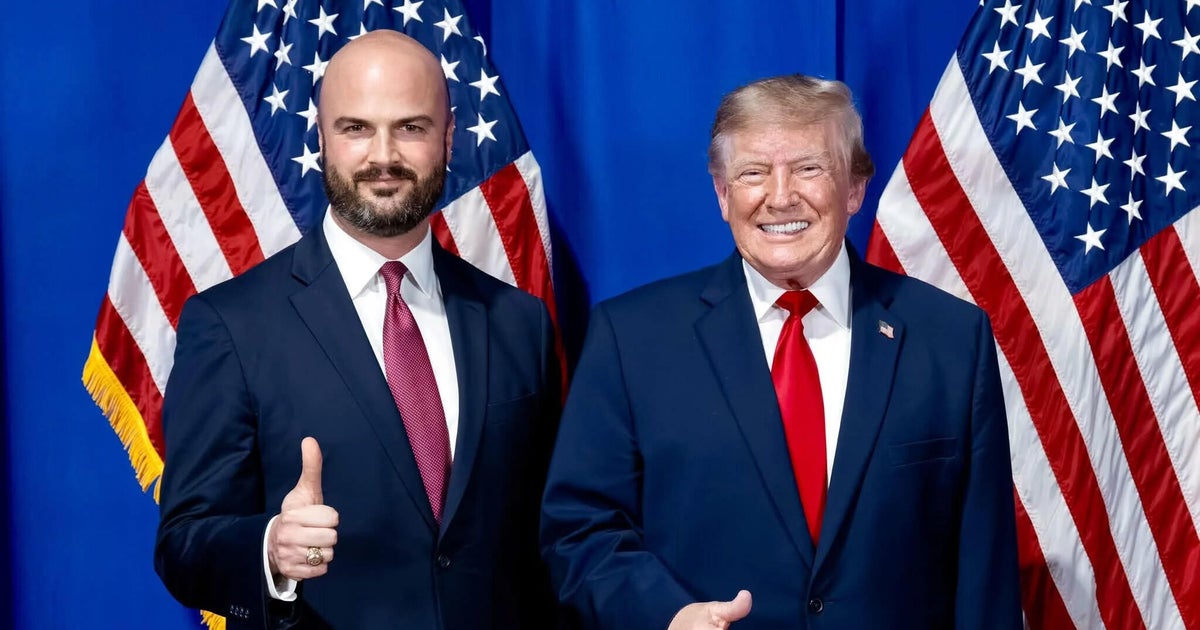
A nonprofit watchdog group filed an ethics complaint on Monday against Aaron Reitz, the U.S. Attorney for the Southern District of Texas. The complaint, filed with the Texas state bar by the Campaign for Accountability, alleges that Reitz violated professional conduct rules by sending letters to several Democratic lawmakers that suggested they could face criminal prosecution for their congressional oversight activities. The lawmakers mentioned in the filing include Sen. Richard Blumenthal (D-CT) and Sen. Elizabeth Warren (D-MA).
The dispute stems from letters Reitz sent to the senators citing their public comments regarding plans to investigate the incoming administration and its supporters. Reitz suggested these statements might violate criminal civil rights laws and ordered the lawmakers to preserve all relevant records. Sen. Blumenthal responded by calling the threat "baseless" and issued a counter-request for Reitz to preserve his own records.
The ethics complaint alleges Reitz violated three professional rules: one prohibiting prosecutors from threatening charges without probable cause, one forbidding actions intended solely to "embarrass, delay or burden" others, and one prohibiting the commission of a serious crime. The group suggested Reitz’s actions may constitute unlawful obstruction of a congressional inquiry. Reitz described the complaint as "harassing" and "frivolous," stating he is conducting a "preliminary inquiry" to ensure lawmakers do not exceed their legislative purpose or infringe on constitutional rights.
At the center of the dispute is the boundary between congressional oversight and the discretionary power of federal prosecutors to initiate criminal inquiries. If the state bar finds merit in the complaint, the official could face professional sanctions.
While Attorney General Todd Blanche stated last week that "any office" could investigate such matters, he also noted there were "no ongoing criminal investigations" into the words of incoming senators or representatives. A Justice Department spokesperson characterized the complaint as "selective barfare" against an administration official.
What happens next depends on the Texas state bar’s review of the filing. The bar must determine if there is sufficient evidence to open a formal investigation. No specific deadline for this decision was reported. In the interim, Reitz stated he intends to continue his inquiry into whether the lawmakers' planned activities serve a "legitimate legislative purpose."