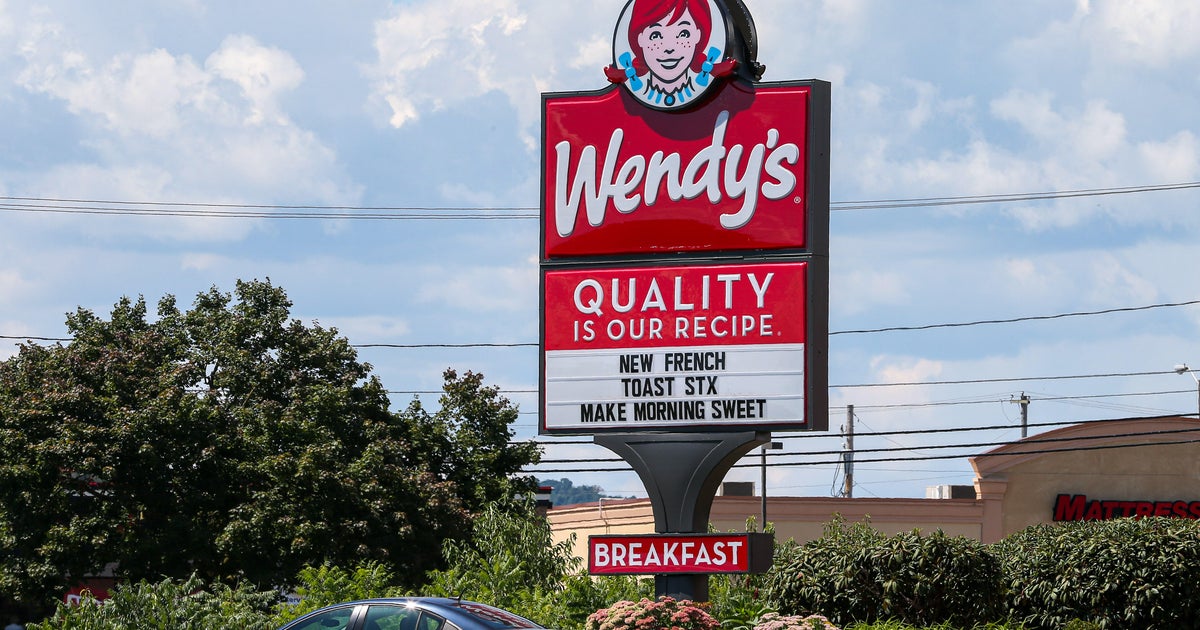
The board of directors for Wendy's unanimously rejected a $1.4 billion hostile takeover bid on Thursday. The board stated that the unsolicited offer from a group of investment firms undervalues the restaurant chain and does not serve the best interests of its shareholders.
The rejection follows a review by an independent committee established after Wendy's confirmed receipt of the proposal last month. Art Winkleblack, chairman of the board, expressed confidence in CEO Bob Wright and stated the company's standalone prospects and long-term earnings potential exceed the valuation provided in the bid.
The takeover attempt was led by Trian Partners, an asset management firm founded by Nelson Peltz, in coordination with Flynn Group LP, BlueFive Capital, and Sixth Street Partners. The group offered $7.35 per share, which was lower than the $7.75 price at which the stock traded before markets opened on Thursday. While Wendy's remains profitable, its stock price has declined by nearly 14% over the past 12 months amid slowing revenue growth.
During an August earnings call, CEO Bob Wright noted that the company has faced operational challenges, including staffing, employee training, and drive-thru management. He stated that past decisions focused on cost and efficiency had weakened the brand's differentiation. Wright told analysts the chain must refocus on food quality standards, such as made-to-order hamburgers and fresh produce, to maintain its market position.
For the company's employees and customers, the board's focus on long-term earnings potential and CEO Bob Wright’s emphasis on operational changes could lead to shifts in daily restaurant functions. Wright previously identified issues with staffing, training, and drive-thru efficiency that the company intends to address. Customers may eventually see changes in food preparation or service speed as the company attempts to return to specific quality standards involving fresh beef and produce. The scale of these changes affects thousands of individual franchises and corporate-owned sites across the globe.
The failure of this hostile bid sets a precedent for how Wendy's leadership intends to handle activist investors like Nelson Peltz. By forming an independent committee and issuing a unanimous rejection, the board has signaled its intent to resist external pressure for a sale at current valuation levels. The next steps for the company involve executing the operational improvements outlined in the August earnings call. While no further votes or court dates were reported, the market will continue to monitor Wendy's stock performance relative to the rejected $7.35 offer price.