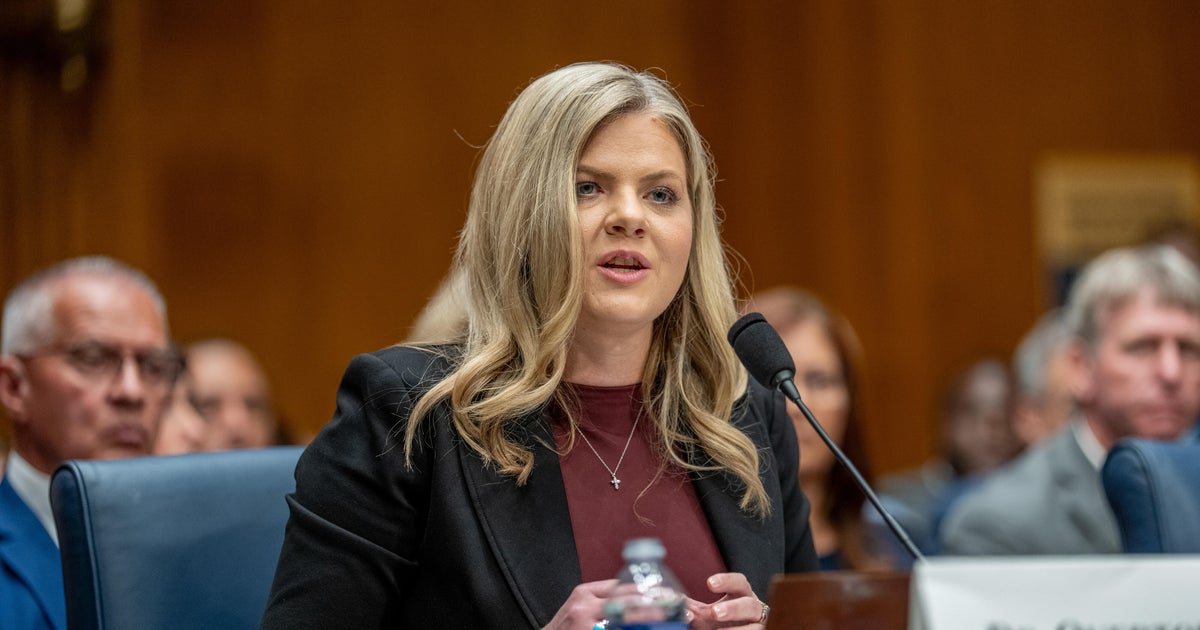
The White House has withdrawn the nomination of Dr. Heidi Overton to serve as the commissioner of the Food and Drug Administration (FDA). According to a senior administration official and sources familiar with the decision, the move occurred Tuesday evening while efforts to secure Republican votes in the Senate were still ongoing. The Senate Health, Education, Labor and Pensions (HELP) Committee had been scheduled to vote on her nomination Wednesday.
President Trump nominated Overton, a physician and White House domestic policy staffer, to lead the agency during the summer. The FDA has been without a Senate-confirmed leader since May, when Dr. Marty Makary was forced out. The agency is currently led by acting Commissioner Kyle Diamantas. The withdrawal follows the recent departure of former White House Chief of Staff Susie Wiles, who was considered an ally of Overton.
Prior to the withdrawal, Overton faced difficulty securing support among Senate Republicans. Sources indicated that some lawmakers expressed skepticism regarding her testimony about the abortion medication mifepristone and her implementation of the administration's pro-vaping policies. Sen. Bill Cassidy (R-LA), the outgoing chair of the HELP Committee, stated on Tuesday that while a pathway for her advancement was possible, members were still debating the matter, and the committee had not officially notified the White House of a lack of votes.
The timing of this decision leaves a narrow window for the administration to install a permanent leader before Democrats take control of the Senate in January. Sen. Cassidy noted that the choice for the administration is between a series of short-term acting administrators, who may be more influenced by the Secretary of Health and Human Services, or a permanent commissioner who could establish greater institutional independence.
What happens next depends on whether the White House puts forward a new nominee or selects an acting head to bypass the Senate confirmation process. Sources reported that the administration has already begun speaking with potential candidates, and Sen. Roger Marshall (R-KS), a physician who recently lost his reelection bid, is seeking the post. Any new nominee would face a condensed timeline for committee hearings and a full floor vote before the change in Senate leadership in January.