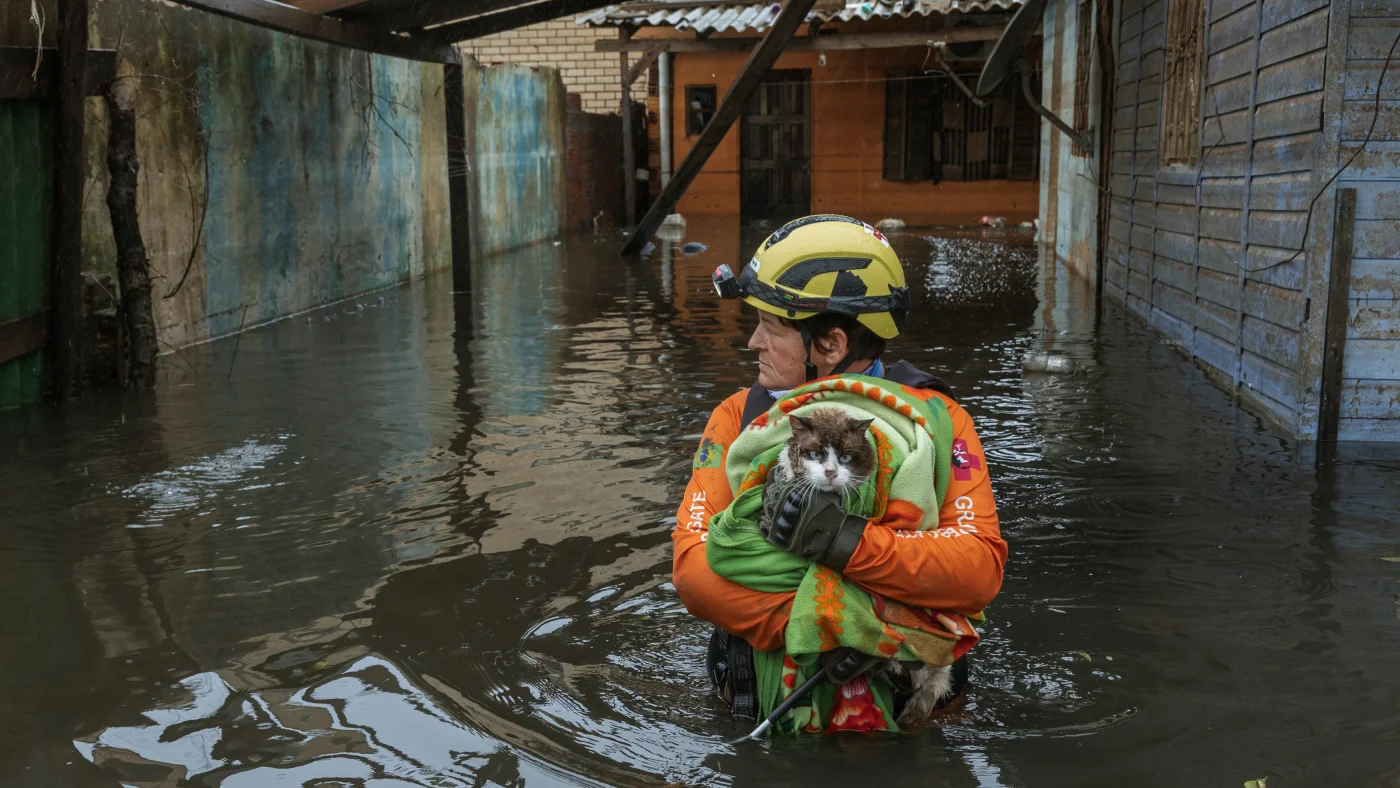
World Kindness Day was observed on Friday, November 13, 2026, marking an annual event intended to encourage both small and large acts of generosity. The day originated on November 13, 1998, after being announced by kind-minded organizations from various nations. Since its inception, the event has focused on the idea that modest actions, such as a Japanese taxi driver removing trash from a road to prevent accidents, are significant enough to merit recognition.
Psychological and economic researchers have studied how these behaviors function within society. A study published in the September Journal of Economic Behavior & Organization titled "Give Enough or Not at all" found that people often choose to give nothing if they feel their contribution is too small. Professor Marta Serra-Garcia from the University of California, San Diego, stated that potential donors sometimes overestimate what recipients consider an acceptable gift, fearing a small donation might be viewed as inappropriate or offensive.
Additional research suggests that kindness can be socially contagious. A 2012 incident at a Tim Hortons in Winnipeg, Canada, saw 226 customers consecutively pay for the coffee of the person behind them in a drive-through line. Dr. Junaid Nabi, a physician-scientist at the RAND School, noted that studies indicate individuals who receive help are 25% more likely to assist others. Public health experts, including Jeff R. Temple of UTHealth Houston, reported that teaching perspective-taking and care in schools can lead to healthier relationships and a reduction in bullying among adolescents.
For the average person, these findings suggest a concrete change in how social interactions and charitable giving are perceived. A person might notice a shift in school environments where programs like "Fourth R" are implemented to change how students communicate during disagreements. In healthcare, practitioners like Dr. Maymunah Yusuf Kadiri and Dr. Nabi suggest that small gestures—such as a hospital cleaner providing a snack to a physician or a doctor spending more time listening to a patient—can alter the quality of care and the mental health of both the provider and the recipient. These interactions represent a shift from purely mechanical service to human connection.
The knock-on effects of these behaviors include the establishment of long-term support systems, such as the scholarship program founded by Huguette Diakabana after an anonymous school guard paid her fees in Zaire. Such actions set a precedent for reciprocal altruism where the benefit is passed to future generations. Moving forward, researchers will continue to study the "paradox of giving" to understand how to encourage donations from those who currently abstain due to concerns over gift size. The next specific milestone for this topic occurs as readers submit personal anecdotes to organizations like NPR for further qualitative review.