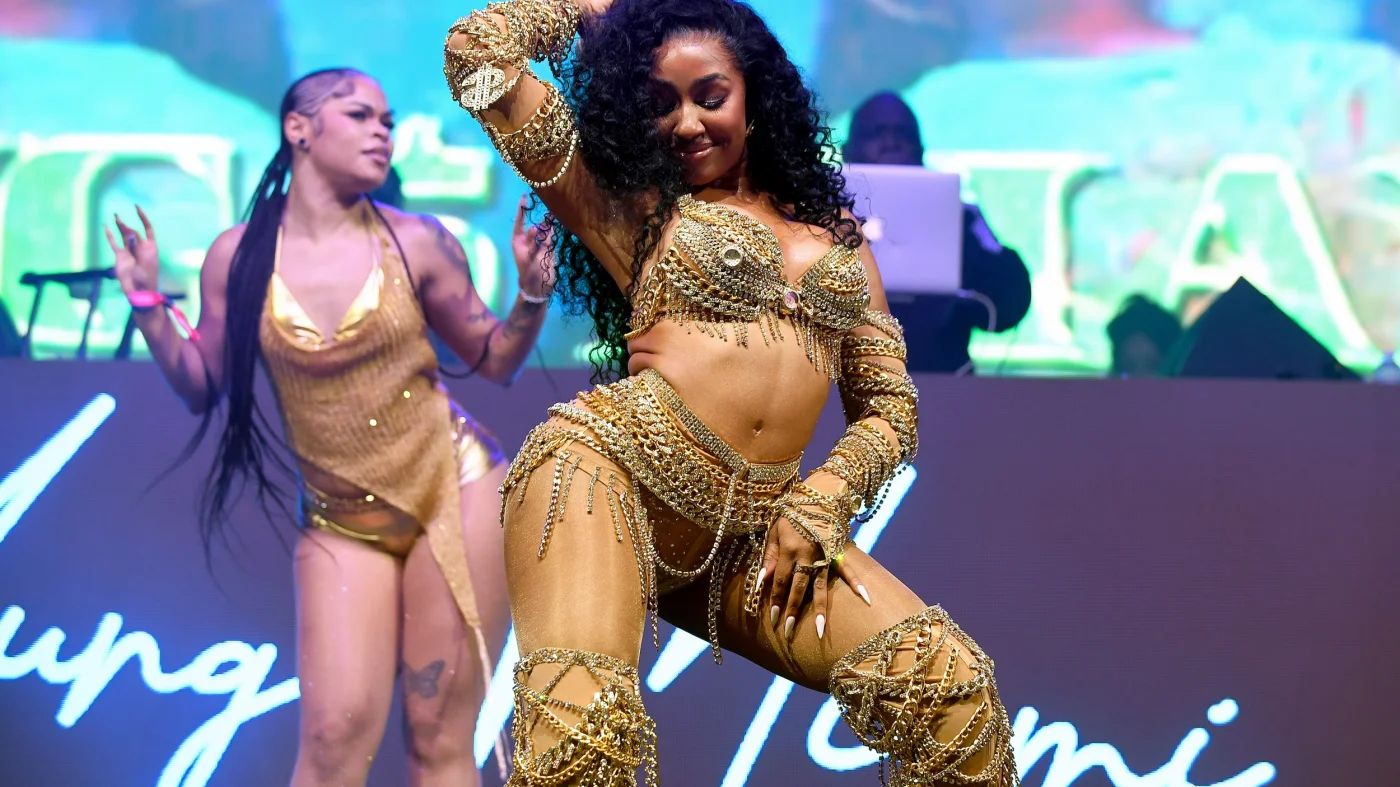
Yung Miami’s single "Spend Dat" reached platinum status in late 2026 following a period of public debate over the song’s lyrical content. The track, which features themes of consumerism and illegal economic activity, sparked criticism from artists such as India.Arie and prompted a defense from Yung Miami during an appearance on "The Breakfast Club." The artist described the work as inspirational music intended to motivate listeners to succeed.
The song’s rise coincided with the release of Yung Miami’s solo debut album, Watch Dis, and a broader cultural discussion regarding the "grift economy" in the United States. Critics of the song, including India.Arie, argued that media consumption influences behavior and that the song offered a degrading portrayal of Black culture. These objections were met with counter-arguments from those who view commercial rap as a reflection of existing capitalist structures rather than the cause of social issues.
In his defense of the genre's role, filmmaker and former rapper Boots Riley argued that art magnifying the status quo is an "uncritical regurgitation" of values established by economic elites. Riley, whose film I Love Boosters features Keke Palmer as a "booster" (a person who resells stolen goods), suggested that small-scale illegal acts are disruptions within a larger exploitative global system. He categorized both his own work and mainstream commercial art as forms of propaganda that serve different interests.
The tension involves the role of art as social critique versus art as a tool of the establishment. As commercial rap becomes further integrated into the mainstream, some critics argue it is used as both a metric for capitalistic success and a scapegoat for broader social declines. No specific legislative or legal deadlines were reported in relation to the song's themes.